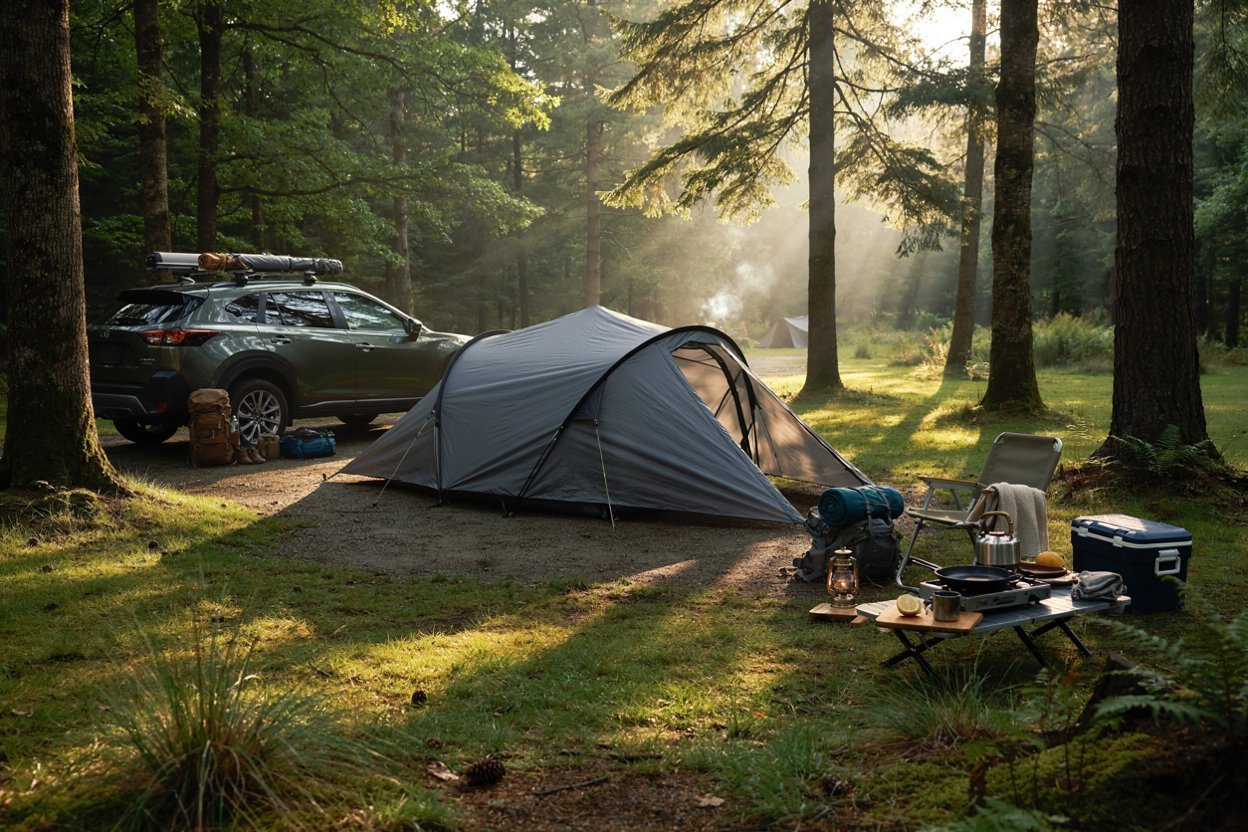
Beginner Camping Guide: Everything You Need to Know Before Your First Trip
Camping can look wonderfully simple from the outside. You choose a campsite, put up a tent, cook something over a fire, and spend a few quiet nights outdoors.
In reality, a comfortable camping trip depends on a lot of small decisions that are easy to overlook when you are still learning what works.
I have found that the easiest way to enjoy camping is to keep the planning practical and avoid packing things simply because they look useful.
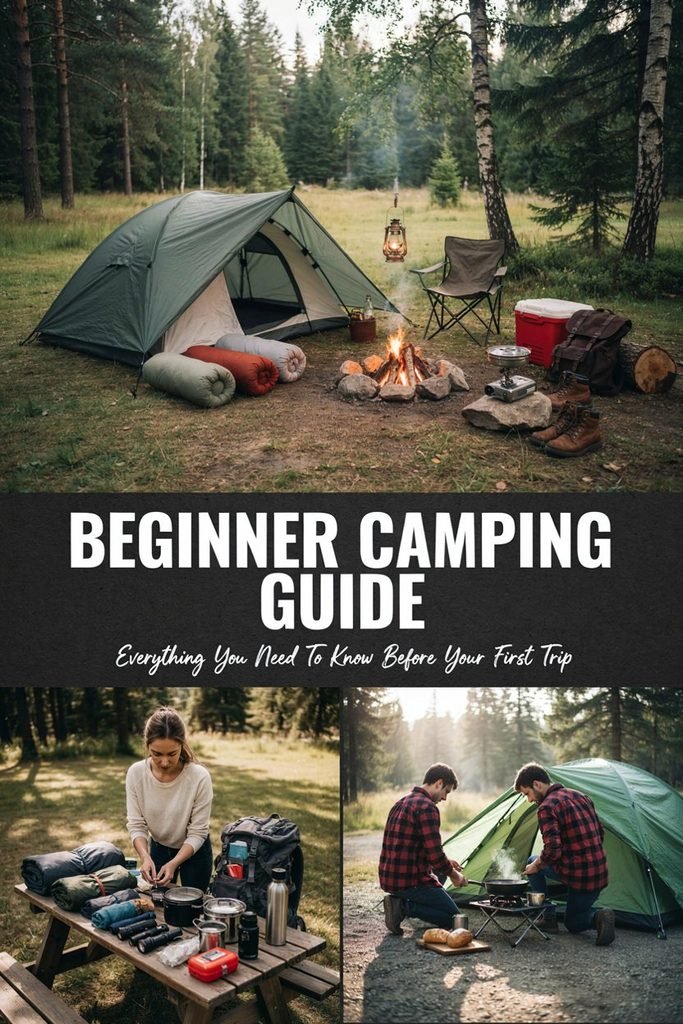
The right campsite, a dependable tent, comfortable sleeping gear, simple meals, suitable clothing, and a few basic safety items can make a much bigger difference than having a car full of equipment.
This beginner camping guide brings together the things I pay attention to when planning a camping trip, along with the practical details that can make outdoor time easier.
Whether you are planning a weekend at a developed campground or simply want to understand what camping involves before committing to a trip, you will find a straightforward place to start here.
What Beginners Should Know Before Going Camping
Camping becomes much easier when you understand that you do not need to make your first trip complicated.
There is a temptation to look at camping gear and assume you need everything before you can enjoy a night outdoors. I have learned that this can make the planning process more stressful than it needs to be. A beginner can have a great camping experience with a relatively simple setup.
Your first decision should be deciding what kind of camping experience you actually want.
Start With the Type of Camping
There is a big difference between staying at an established campground with bathrooms, running water, parking, picnic tables, and designated fire areas and heading somewhere much more remote.
For a beginner, an established campground is usually the easier option.
You have access to basic facilities and are less likely to find yourself dealing with problems that require advanced outdoor skills. It also gives you an opportunity to learn how your equipment works without being too far from other people or basic services.
Car camping is another beginner friendly option because you can keep your equipment in the vehicle until you need it. This is especially helpful when you are still figuring out what you actually need to bring.
Backpacking is different because everything has to fit inside your backpack and every item has a weight. I would not recommend making a long backpacking trip your starting point unless you already have experience with hiking and outdoor travel.
For your first camping trip, simple is usually better.
How Long Should Your First Camping Trip Be?
You do not need to spend an entire week camping to decide whether you enjoy it.
A one night or weekend trip can tell you a lot about what you like, what you forgot, and what you would change next time. It also gives you enough time to experience setting up camp, preparing meals, sleeping outdoors, and packing everything away without making the trip feel overwhelming.
When planning a first trip, I would rather choose a nearby campground for a short stay than travel a long distance and discover that something important was overlooked.
Keeping the first trip manageable also makes it easier to adjust.
Maybe you discover that your sleeping pad is uncomfortable. Perhaps you packed far too much food or realized that you needed warmer clothes at night. These are useful lessons, and they are much easier to deal with on a short beginner trip.
Choosing the Right Campsite
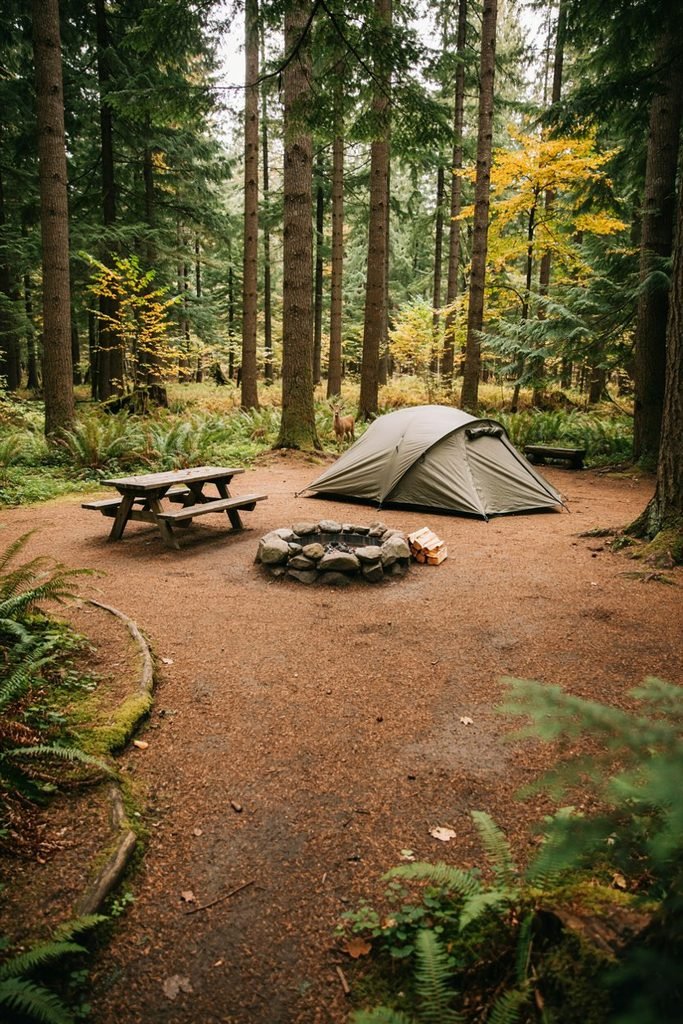
Where you camp can have almost as much impact on your experience as the equipment you bring.
Before booking a campsite, look beyond attractive photographs. Check what facilities are available and read the campground information carefully.
For a beginner, I would look for a site with:
- Clean bathrooms
- Drinking water
- A designated camping area
- Easy vehicle access
- Picnic tables
- A fire ring where permitted
- Nearby walking trails
- Reasonable cell service if you need it
- A manageable distance from home
It is also worth checking whether the campground has specific rules about fires, food storage, pets, quiet hours, vehicles, and generators.
Another thing I pay attention to is the surrounding environment. A beautiful campsite is not necessarily a comfortable campsite if it is exposed to strong wind, sits in an area where water collects, or has very little protection from the weather.
Check the Weather Before You Leave
Checking the weather should be part of your camping preparation, not something you do while driving to the campground.
Look at the expected daytime temperature, nighttime temperature, rain forecast, wind, and any severe weather warnings.
Nighttime temperatures can feel very different from daytime temperatures, especially when you are sleeping inside a tent. A warm afternoon does not automatically mean you will be comfortable at night with a lightweight sleeping bag.
Weather can also affect what you pack. Rain may mean bringing additional waterproof clothing, extra dry clothes, better shelter protection, and a plan for keeping wet items away from your sleeping area.
I have found that checking the forecast early gives you time to make sensible changes rather than trying to solve problems after you arrive.
What Camping Gear Do You Actually Need?
The amount of camping equipment available today can make beginners feel as though they need to buy an entirely new collection of outdoor gear.
You do not.
For a simple camping trip, start with the essentials.
Shelter
Your shelter is the foundation of the trip.
You will need a tent that is suitable for the number of people using it, along with a footprint or ground protection if recommended by the manufacturer.
Do not choose a tent based only on the number printed on the package. A tent advertised for two people can sleep two people, but it may not leave much room for bags or personal belongings.
If you are camping with your family, consider how much interior space you actually need rather than choosing the smallest option simply because it is cheaper or lighter.
Before leaving home, practice setting up the tent.
This is one of the simplest things you can do to make your trip easier. Learning where the poles go, how the rainfly attaches, and how the tent is secured is much less stressful in your living room or backyard than after sunset at a campsite.
Sleeping Gear
A tent protects you from the weather, but your sleeping setup determines how comfortable you will be once you are inside.
At minimum, you will want a sleeping bag or suitable bedding, a sleeping pad, and something comfortable to use as a pillow.
The sleeping pad deserves more attention than many beginners give it. The ground can feel surprisingly hard and cold after several hours, even when the campsite initially seems comfortable.
Choose your sleeping equipment according to the expected nighttime temperature and the conditions you are likely to encounter.
Lighting
Do not rely entirely on your phone flashlight.
A headlamp is especially useful because it leaves both hands free when you are moving around camp, cooking, organizing your tent, or getting ready for bed.
I also like having a separate lantern or another reliable light source for the main campsite.
Bring spare batteries or make sure rechargeable lights are fully charged before leaving home.
Part 2 will cover your camping kitchen, food planning, clothing, campsite setup, staying comfortable at night, and the mistakes I would avoid as a beginner.
What to Bring for Cooking at Camp
Food is one area where I have learned that keeping things simple makes camping much more enjoyable. There is something special about eating outdoors, but your meals do not need to become a complicated cooking project.
When I plan a camping trip, I think about meals that require a small number of ingredients, limited preparation, and easy cleanup. This is especially helpful when you are still learning how to organize your campsite.
For a basic camping kitchen, you may need:
- A camp stove or another suitable cooking method
- Fuel if your stove requires it
- A pot or pan
- Plates and bowls
- Cups
- Eating utensils
- A knife and cutting board
- Cooler for foods that need refrigeration
- Water
- Food storage containers
- Paper towels or reusable kitchen towels
- Trash bags
- Dishwashing supplies
You do not necessarily need to purchase special camping versions of everything. Some items you already have at home may work perfectly well for a simple car camping trip.
The important thing is to think through how you will prepare, serve, store, and clean up each meal before you leave.
Keep Your Camping Meals Simple
For breakfast, I prefer meals that do not require much preparation. Oatmeal, eggs, breakfast sandwiches, fruit, and coffee are all easy options.
Lunch can be even simpler. Sandwiches, wraps, pasta salad, fruit, and snacks are useful when you do not want to spend a large part of the afternoon cooking.
For dinner, one pot meals and foil packet meals can save time and reduce dishes. You can also prepare some ingredients at home so you are not chopping vegetables or measuring everything after arriving at camp.
One thing I have learned is that hungry campers are not always patient campers. Having something quick available for the first meal is especially helpful if you arrive later than expected.
Plan Your Food Before Packing It
Before putting food into your cooler or storage containers, think about how many meals you actually need.
Write down breakfast, lunch, dinner, and snacks for each day.
This prevents two common problems. You can avoid bringing far too much food, and you are less likely to discover halfway through the trip that you forgot something important.
I also like having a few foods that require almost no preparation. Granola bars, crackers, fruit, trail mix, and other easy snacks can be useful when you are hiking or simply do not feel like cooking.
Remember to consider water separately from food. A campground may have drinking water, but you should always confirm this before relying on it.
Store Food Properly
Food storage is not something to overlook when camping.
Do not leave food scattered around your campsite overnight. Follow the campground’s rules for food storage and wildlife.
Keep cool foods properly chilled and use secure containers for anything that could attract animals. Clean up crumbs and food scraps after meals rather than leaving them around the campsite.
Even a small amount of leftover food can create an unpleasant situation when it is left unattended.
A clean cooking area also makes the next morning much easier.
What Should You Wear Camping?
Your clothing can make or break your comfort outdoors.
Instead of packing one heavy outfit, I prefer using layers. Temperatures can change throughout the day, and layers allow you to adjust without carrying an excessive amount of clothing.
A simple camping clothing setup can include:
- Comfortable shirts
- Lightweight pants or shorts depending on the weather
- Warm layer for cool evenings
- Waterproof jacket or rain shell
- Comfortable walking shoes
- Extra socks
- Sleepwear
- Hat
- Weather appropriate outerwear
Bring more socks than you think you need. This is one of those small decisions that can make a surprisingly big difference.
If your feet become wet, having a dry pair available is much better than trying to make the same pair work for another day.
Think About the Nighttime Temperature
One of the easiest mistakes for a new camper to make is preparing only for the daytime weather.
The temperature can drop considerably after the sun goes down. This is especially noticeable when you are sitting still around camp or getting into your tent for the night.
Check the expected overnight temperature and choose your sleeping bag or bedding accordingly.
You should also consider the temperature rating of your sleeping bag carefully. Do not assume that a bag rated for a particular temperature will automatically feel warm and comfortable at that exact temperature.
Your sleeping pad, clothing, tent ventilation, and personal comfort all play a role.
How to Set Up Your Campsite
When you arrive, it can be tempting to unload everything immediately.
I prefer to slow down for a few minutes and look around the campsite first.
Inspect the ground where you plan to sleep. Look for sharp rocks, sticks, large roots, branches, standing water, and obvious low areas where rain could collect.
Think about where the sun will be in the morning and where you want your cooking area to sit.
Once you have chosen the best location, set up your tent before unpacking everything else.
This gives you a secure place to put your sleeping equipment and personal belongings.
Set Up Your Tent First
Lay out the footprint if your tent uses one, then assemble the tent according to the manufacturer’s instructions.
Make sure the tent is properly secured and that the rainfly is attached correctly if weather conditions require it.
Do not wait until you are exhausted or it is getting dark to figure out how your tent works.
This is another reason practicing at home is so useful.
After the tent is ready, arrange your sleeping pad, sleeping bag, pillow, and other nighttime essentials inside.
Keep a headlamp, water bottle, phone, and anything else you may need during the night within easy reach.
Keep Your Campsite Organized
A little organization makes camping much easier.
I like giving everything a specific place rather than leaving bags and equipment scattered around the campsite.
Keep cooking supplies together, sleeping equipment together, and frequently used items somewhere accessible.
Your campsite does not need to look perfectly organized, but you should be able to find what you need without emptying several bags onto the ground.
This becomes particularly important after dark.
When you are tired and ready for bed, the last thing you want is to search through several containers looking for a flashlight or warm layer.
Make Your Sleeping Area Comfortable
Getting good sleep outdoors can take some adjustment.
The first thing I pay attention to is the ground beneath me. Even a comfortable sleeping bag will not solve the problem of an uncomfortable sleeping surface.
Use an appropriate sleeping pad and make sure it is inflated or arranged properly.
A small camping pillow can be useful, but you can also bring a regular pillow if you are car camping and have the space.
I also like changing into clean, dry clothes before bed. It makes the sleeping area feel more comfortable and gives you a fresh start for the night.
Keep your next day’s clothing somewhere protected and easy to reach.
If rain arrives overnight, you will be glad you did not leave your clothes exposed.
What to Do When It Rains
Rain does not automatically mean a camping trip has to be ruined.
Good preparation makes a huge difference.
Before setting up your tent, make sure the rainfly is properly installed and that water has somewhere to run away from your sleeping area.
Keep wet shoes and clothing away from your sleeping bag and other dry equipment.
If you have a tarp or suitable shelter, it can provide a useful covered area for sitting and preparing food, provided it is set up safely and appropriately for the conditions.
One important rule is never to use a fuel burning stove inside a tent or another enclosed sleeping space. Carbon monoxide can build up quickly and become extremely dangerous.
If severe weather is expected, follow campground instructions and local safety guidance. Sometimes the safest decision is to postpone the trip or leave early.
Camping Mistakes I Would Avoid
There are a few mistakes that are easy to make when you are still learning.
Arriving After Dark
Setting up a tent in daylight is much easier than trying to identify the best campsite and assemble equipment with a flashlight.
Whenever possible, plan your arrival while there is still enough daylight to get organized.
Bringing Too Much Gear
It is easy to fill your vehicle with equipment that sounds useful.
The problem is that more gear means more packing, more unpacking, more organizing, and more things to clean.
Start with the basics and learn what you actually use.
Forgetting Lighting
A phone flashlight may seem sufficient until you need both hands to set something up.
Bring a headlamp and another dependable light source.
Not Practicing With Your Tent
This is one mistake I would avoid completely.
Practice setting up your tent before the trip. Even if the process looks straightforward, doing it once at home can prevent frustration at the campsite.
Ignoring the Weather
Do not plan your clothing and sleeping gear around the daytime forecast alone.
Check the overnight temperature and rain conditions before you leave.
Making Meals Too Complicated
Camping is not the time to discover that your dinner requires twelve ingredients, three pans, and an hour of preparation.
Simple meals are easier to manage and leave more time for enjoying the outdoors.
Leaving Food Out
Food should be stored according to campground and local wildlife guidance.
Clean up after meals and avoid leaving food or scraps around your sleeping area.
Part 3 will cover camping safety, what to do before bed, a practical first trip routine, what to pack, how to make camping easier, and the final advice I would give anyone planning their first outdoor trip.
Camping Safety Basics Every Beginner Should Know
Camping is meant to be relaxing, but being outdoors means you need to pay attention to your surroundings. You do not need to be an expert to camp safely. A little preparation before leaving home can prevent many of the problems that make a trip stressful.
Before heading to the campground, let someone you trust know where you are going, where you will be staying, and when you expect to return. This is especially important if you plan to hike or spend time away from your vehicle.
Keep your phone charged and consider bringing a power bank. If you are camping somewhere with limited or unreliable cell service, know that before you arrive rather than assuming you will be able to call for help.
A basic first aid kit is also worth keeping in your camping supplies. It does not need to be enormous. Supplies for minor cuts, blisters, insect bites, headaches, and other common problems can be useful.
Be Smart Around Campfires
If your campground permits campfires, follow its rules carefully.
Only build a fire in the designated fire area and keep flammable materials away from it. Never leave a fire unattended, even if it appears to be burning down.
Before going to bed or leaving the campsite, make sure the fire is completely extinguished. Use water as appropriate and follow local fire safety instructions.
I have learned that a relaxing evening around a fire can quickly become stressful when you realize you are responsible for leaving the campsite safe. Take your time with cleanup rather than treating it as something to rush through.
If there are fire restrictions because of dry conditions or wildfire risk, do not ignore them.
Protect Yourself From Insects and Sun
Spending time outside means dealing with insects, sun exposure, and changing weather.
Pack sunscreen and apply it regularly, especially if you will be hiking or spending most of the day outside.
Insect repellent can also be useful depending on the location and season. If you are hiking through areas where ticks are common, check your clothing and body after returning to camp.
Longer clothing can provide additional protection in some environments, particularly during the evening.
The right approach depends on where you are camping, so check local conditions before your trip.
Be Careful Around Wildlife
Seeing wildlife can be one of the memorable parts of camping, but animals should always be treated as wild animals.
Never intentionally feed wildlife.
Keep food, garbage, and scented items secured according to campground rules. Do not leave food beside your tent overnight simply because you plan to clean it up in the morning.
If you encounter an animal, give it space and avoid approaching it for photographs.
Different areas have different wildlife concerns, so research the location before you arrive and follow any instructions provided by the campground or local authorities.
Know Where Your Water Comes From
Never assume that water found outdoors is safe to drink.
If the campground provides drinking water, confirm that the source is marked as potable. If you need to collect water from a natural source, use an appropriate treatment method designed for that situation.
For a beginner camping trip, bringing enough safe drinking water or choosing a campground with reliable potable water can make things considerably easier.
Water is also useful for cooking, washing dishes, cleaning hands, and dealing with unexpected messes, so think beyond how much you need simply for drinking.
What to Do Before Going to Bed
Your nighttime routine can make a surprisingly big difference.
Before getting into your sleeping bag, take a few minutes to prepare the campsite for the night.
Secure food and trash according to the campground’s rules. Put away cooking equipment and clean the area where you prepared food.
Check that your tent is properly closed and that the rainfly is secure if needed.
Keep your headlamp or flashlight beside your sleeping area. I also like keeping water and a warm layer within easy reach.
Put shoes somewhere protected but accessible. If rain is expected, make sure clothing and other items that need to stay dry are inside your tent or another suitable protected space.
This small routine means you are not searching around in the dark when you wake up during the night.
Create a Simple Morning Routine
Mornings at camp are much easier when you do not have to figure everything out from scratch.
Start by opening the tent slightly for ventilation when weather conditions allow.
Make breakfast simple and give yourself enough time to eat before immediately starting the packing process.
If your tent is wet from overnight condensation or rain, give it time to dry when practical before packing it away. Packing wet equipment can lead to unpleasant odors and other problems if it stays packed for too long.
Before leaving the campsite, check the ground around your tent, cooking area, vehicle, and picnic table.
It is surprisingly easy to leave behind small things such as tent stakes, wrappers, socks, utensils, or charging cables.
Leave Your Campsite Clean
One of the most important camping habits is leaving the site in good condition.
Pack out your trash and follow the campground’s instructions for waste disposal.
Do not leave food scraps around the site.
Clean your cooking equipment and make sure any fire is fully extinguished.
Before driving away, take one final walk around the campsite.
I find this simple habit useful because it catches the small things that are easy to overlook when everyone is already thinking about getting home.
The goal is to leave the campsite looking as close to how you found it as possible.
A Simple Routine for Your First Camping Trip
If camping feels overwhelming, think about the trip as a series of small tasks rather than one huge project.
Before Leaving Home
Check the weather.
Confirm your campground reservation and arrival instructions.
Test your tent.
Charge your phone and power bank.
Prepare your food.
Fill your water containers.
Pack your sleeping gear.
Make sure you have appropriate clothing for both daytime and nighttime.
Tell someone where you are going.
When You Arrive
Take a few minutes to inspect the campsite.
Choose the best location for your tent.
Set up your shelter before unpacking everything else.
Arrange your sleeping area.
Organize your cooking supplies.
Store food properly.
Keep lighting somewhere easy to reach.
During the Day
Enjoy the campground without feeling like you have to fill every minute with activities.
Take a walk.
Explore nearby trails if they are suitable for your ability level.
Cook a simple meal.
Read.
Sit outside.
Spend time talking with the people you came with.
Camping does not need a packed schedule to be worthwhile.
Before Bed
Clean the cooking area.
Secure food and trash.
Check the weather.
Put away anything that should not be left outside.
Make sure your fire is completely extinguished if you had one.
Keep your headlamp nearby.
Prepare your morning clothes.
Then give yourself permission to slow down.
Beginner Camping Checklist
Shelter
- Tent
- Tent footprint if recommended
- Tent stakes
- Sleeping bag or suitable bedding
- Sleeping pad
- Pillow
Cooking
- Camp stove
- Fuel
- Pot or pan
- Plates and bowls
- Cups
- Utensils
- Knife
- Cooler
- Food storage containers
- Drinking water
- Dishwashing supplies
- Trash bags
Clothing
- Comfortable daytime clothes
- Warm layer
- Rain jacket
- Comfortable shoes
- Extra socks
- Sleepwear
- Hat
- Weather appropriate outerwear
Personal and Safety Items
- Headlamp
- Lantern
- Spare batteries
- First aid kit
- Sunscreen
- Insect repellent
- Personal medications
- Phone
- Power bank
- Toiletries
- Toilet paper if the campground does not provide it
Useful Extras
- Camp chair
- Tarp or suitable shelter
- Camping table if needed
- Multi purpose tool
- Reusable water bottle
- Small daypack
- Extra food
- Extra lighting
You do not necessarily need every item on this list for every trip. Your destination, weather, campground facilities, transportation, and activities should determine what you actually bring.
How to Make Your First Camping Trip Easier
The best advice I can give a beginner is to resist the urge to make everything perfect.
Your first camping trip is partly about learning what works for you.
You may discover that you need a warmer sleeping bag. You might realize that you packed too many clothes but not enough snacks. Perhaps you will find that you prefer cooking breakfast at camp but would rather prepare dinner before leaving home.
Those discoveries are useful.
I keep notes about the things that worked well and the things I would change. It makes preparing for the next trip much easier because I am not starting from scratch every time.
Another thing that helps is keeping camping equipment together between trips. When items have a regular place, packing becomes much faster.
You can also create a small camping box containing frequently used supplies such as lighting, kitchen tools, first aid supplies, matches or appropriate fire starters where permitted, trash bags, and other practical items.
Then you only need to add trip specific clothing, food, water, and personal belongings.
Do Not Overspend Before You Know What You Like
There is no need to buy expensive camping equipment simply because it is marketed toward experienced campers.
Start with reliable basics.
Borrow equipment when possible.
Rent specialized gear if it makes sense.
Use household items for car camping when they are safe and practical.
After a few trips, you will have a much better idea of what deserves an upgrade.
This approach has saved me from buying equipment that seemed useful in the store but ended up sitting unused.
The best camping setup is not necessarily the biggest or most expensive one. It is the setup that makes you comfortable, prepared, and confident enough to enjoy being outside.
Final Thoughts
A successful camping trip is not about having every piece of outdoor equipment or knowing everything before you leave home. It is about preparing for the conditions, choosing a manageable destination, bringing the essentials, and giving yourself enough flexibility to enjoy the experience.
Start close to home if that makes you more comfortable. Choose a campground with facilities. Keep your meals simple. Practice setting up your tent before you leave. Check the weather carefully and think about nighttime temperatures rather than preparing only for the afternoon.
Most importantly, pay attention to what you learn.
After each trip, you will have a better understanding of what you actually need, what you can leave behind, and what small comforts make camping more enjoyable for you.
Once you stop worrying about doing everything perfectly, it becomes much easier to appreciate what makes camping special. A quiet morning outside, a simple meal after a day of exploring, and sitting around camp at the end of the day can be enough.
Your first trip does not have to be complicated. Start with a realistic plan, prepare for the basics, and give yourself room to learn as you go.

One Comment