20 Must See Irish Villages for Your Travel Bucket List
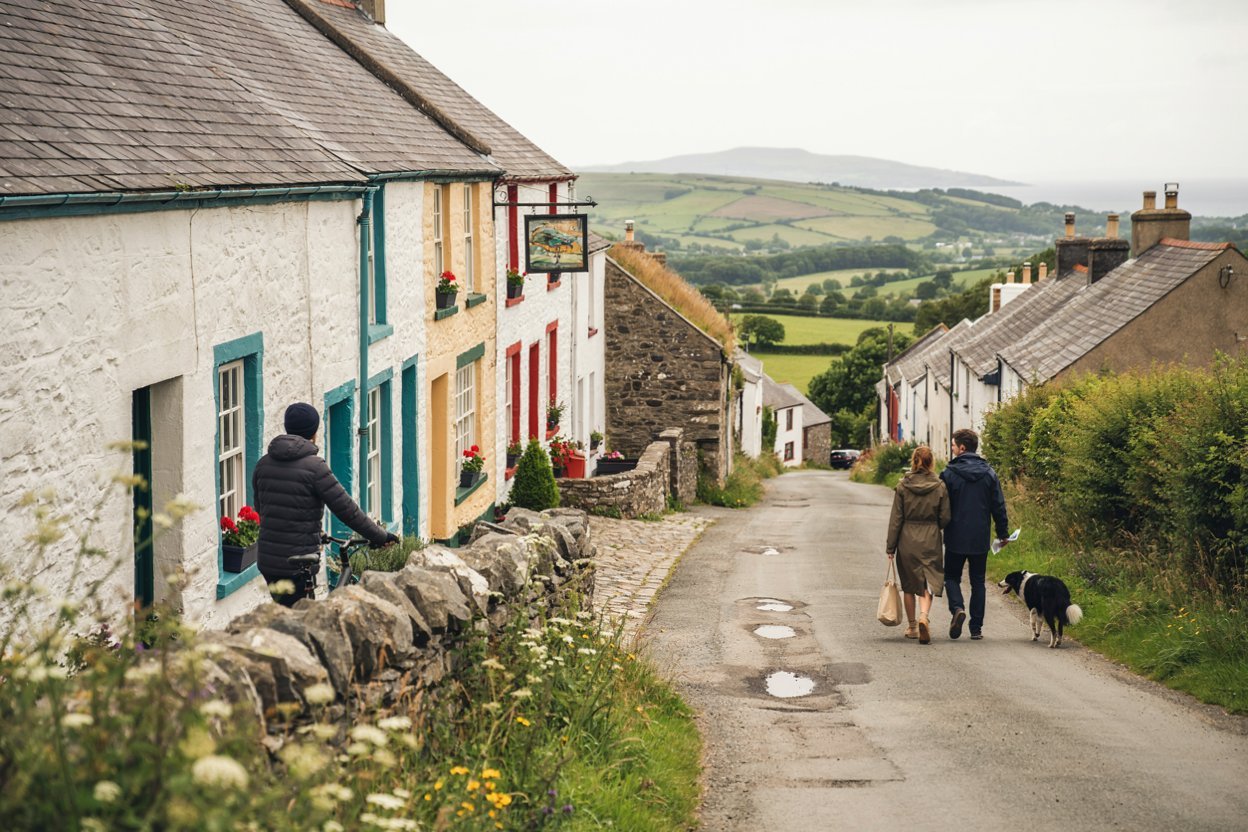
Ireland has a way of making even a simple drive feel like part of the adventure. Some of my favorite travel memories come from leaving the busy cities behind and following narrow country roads toward small villages where colorful cottages, old stone buildings, cozy pubs, and beautiful coastal views seem to appear around every corner.
Irish villages have a slower pace that makes it easy to stop, explore on foot, take photographs, and enjoy the surroundings without feeling like you have to rush from one attraction to another.

I especially love adding smaller villages to an Ireland itinerary because they give you a chance to experience a more relaxed side of the country. You can spend the morning walking along the coast, stop for lunch in a family run pub, and still have plenty of time to enjoy the countryside before evening.
In this guide, I am sharing 20 Irish villages that I think deserve a place on your travel bucket list, along with practical advice about getting there, where to stay, getting around, the best time to visit, safety, and what I would pack for the trip.
I have also included the little details that can make exploring Ireland much easier, especially if you are planning a road trip.
1. Adare, County Limerick
Why Go There
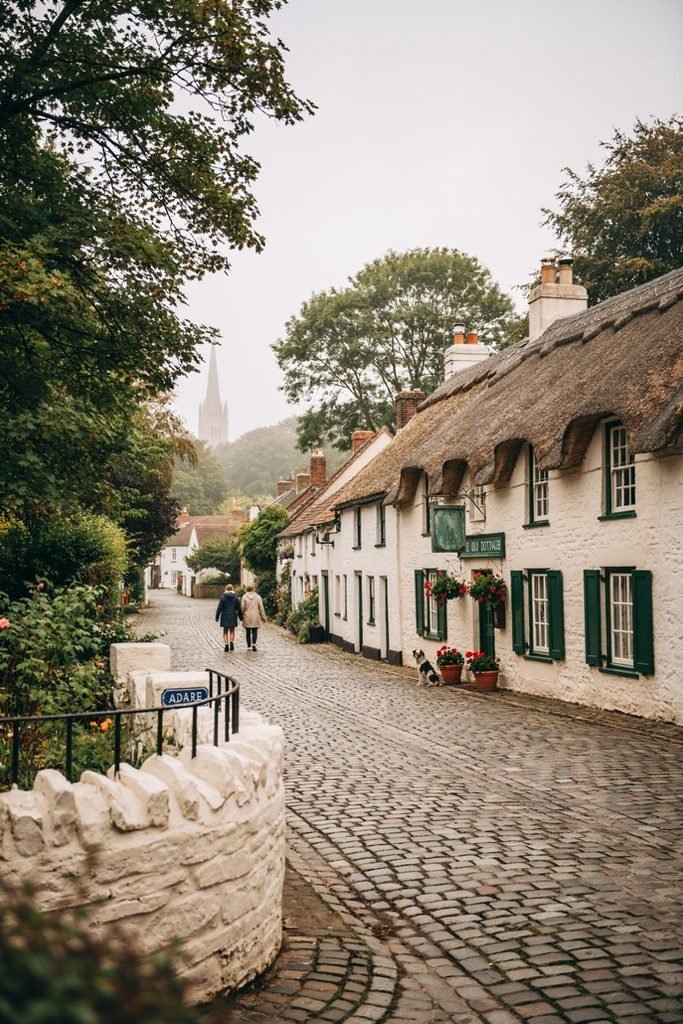
Adare is one of those Irish villages that immediately feels special. It is best known for its beautiful thatched cottages, historic buildings, mature trees, and relaxed village atmosphere. Walking through the center is enjoyable because there is plenty to look at without needing a packed sightseeing schedule.
I would put Adare high on the list for anyone who wants a gentle introduction to the charm of rural Ireland. The village is also a convenient stop if you are exploring County Limerick or driving toward the west coast.
One thing I enjoy about places like Adare is that you do not need to spend the entire day checking attractions off a list. Give yourself time to walk around, look at the old architecture, have something to eat, and simply enjoy the atmosphere.
Getting There
Adare is easy to reach by car from Limerick and works particularly well as part of an Ireland road trip. If you are already traveling through County Limerick, it is an easy village to add to your route.
Driving gives you the most flexibility because you can arrive when you want, explore at your own pace, and continue toward your next destination without being tied to a timetable.
Where to Stay
If you want to experience Adare when the streets are quieter, staying overnight is a lovely option. There are hotels, guesthouses, and other accommodation options in and around the village.
I would choose somewhere within easy walking distance of the village center if possible. That way, you can leave the car behind in the evening and enjoy dinner or a quiet walk without worrying about driving afterward.
Getting Around
You can explore the central part of Adare comfortably on foot. Comfortable shoes are still important because you will probably spend more time walking than you initially expect.
A car is useful for exploring the surrounding countryside and continuing to other parts of Ireland, but you do not need to drive around the village itself.
Safety Tips
Adare is generally an easy place to explore, but normal travel awareness still matters. Pay attention when walking near roads because some village streets can become busy with passing traffic.
If you are driving, take your time on smaller Irish roads. Do not feel pressured to match the speed of local drivers, particularly when you are unfamiliar with the road.
Best Time to Go
Late spring through early autumn is a particularly pleasant time to visit. The days are longer, the countryside is beautiful, and you have more daylight for exploring.
I also like the idea of visiting in September because you can still get good daylight while avoiding some of the busiest summer periods.
What to Pack
I would pack comfortable walking shoes, a lightweight waterproof jacket, layers, a small day bag, sunglasses, and a reusable water bottle.
A compact umbrella can also be useful, although I personally prefer a good waterproof jacket because Irish weather can change quickly.
2. Doolin, County Clare
Why Go There
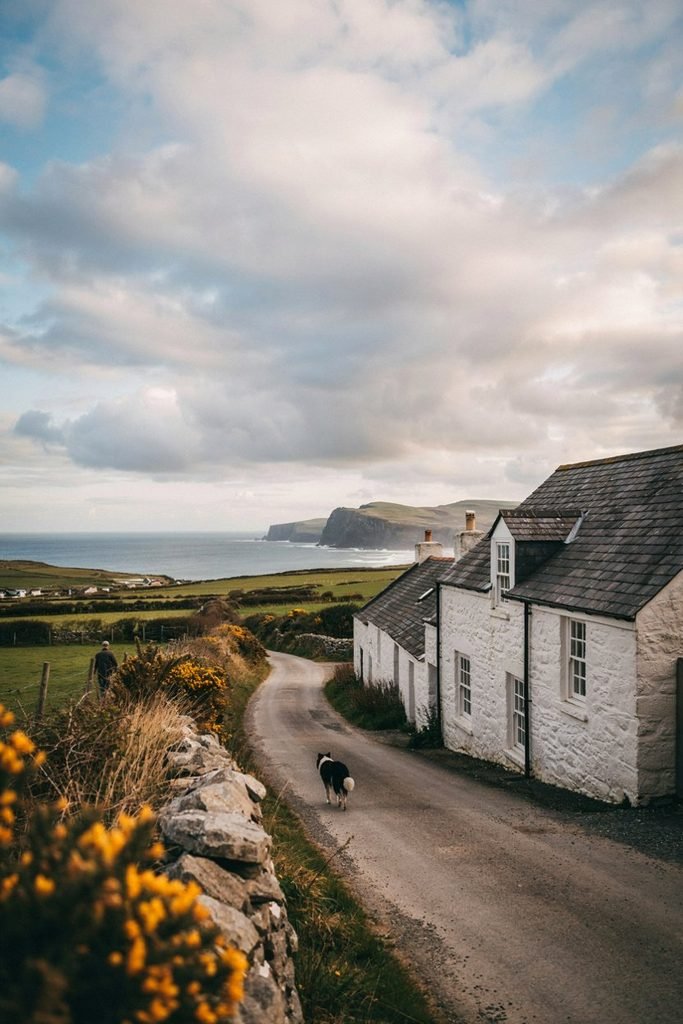
Doolin is one of the villages I would recommend to anyone who wants dramatic scenery combined with traditional Irish atmosphere. Its location on the west coast makes it particularly memorable, especially if you are exploring the Cliffs of Moher and the surrounding Burren region.
What I like about Doolin is that it feels like a destination in its own right rather than simply a place to pass through. The landscape is beautiful, and the village has a strong connection with traditional Irish music.
I would leave room in your schedule for a slow evening here. After spending the day exploring the coast, sitting down for a meal and listening to live traditional music can be one of those travel experiences that stays with you.
Getting There
Doolin is easiest to reach by car, especially if you are building a west coast road trip. It makes sense to combine it with the Cliffs of Moher, the Burren, Galway, or other County Clare destinations.
The roads around this part of Ireland can be narrow, so I would allow more driving time than the map might initially suggest.
Where to Stay
Doolin has several places to stay, including hotels, guesthouses, bed and breakfasts, and cottages.
I would stay close enough to the village center that you can walk to restaurants and pubs. This makes evenings much easier and means you can enjoy the village without having to get back behind the wheel.
Getting Around
Doolin itself is very walkable, although a car is useful if you want to explore the wider area.
If you are planning to visit the Cliffs of Moher and other nearby attractions, having your own transportation gives you much more freedom.
Safety Tips
Be particularly careful around coastal areas. The cliffs and exposed coastline can be dangerous in strong winds or poor weather.
Stay on marked paths and follow local safety signs. Do not get too close to cliff edges simply to take a photograph.
When driving, slow down on narrow roads and be prepared for cyclists, walkers, farm vehicles, and animals.
Best Time to Go
Late spring and summer offer longer daylight hours and are excellent for exploring the coast.
Early autumn can also be wonderful. The landscape remains beautiful, temperatures can be comfortable, and the atmosphere can feel quieter than during the busiest summer weeks.
What to Pack
A waterproof jacket is essential here. I would also take comfortable walking shoes with good grip, warm layers, a small backpack, sunscreen, sunglasses, and a portable charger.
If you plan to spend time around the cliffs, pack clothing that can handle wind and rain rather than relying on the weather forecast alone.
3. Kinsale, County Cork
Why Go There
Kinsale is one of the places I would choose when I want beautiful scenery, good food, colorful streets, and plenty to explore without needing to rush.
The harbor gives the town a completely different feel from inland villages, and the surrounding area is ideal for slow travel. I enjoy destinations like Kinsale because you can combine sightseeing with long lunches, waterfront walks, and time simply wandering through the streets.
It is also a great choice for travelers who enjoy food. There are plenty of places to stop for a meal, coffee, or something sweet between exploring.
Getting There
Kinsale is easy to reach from Cork and works well as part of a southern Ireland itinerary.
Driving is the easiest option if you want to explore other parts of County Cork at the same time.
Where to Stay
There are hotels, guesthouses, bed and breakfasts, and other accommodation options in Kinsale.
For me, staying near the center makes the most sense. You can walk to restaurants, shops, and waterfront areas without constantly getting back into the car.
Getting Around
The center of Kinsale is best explored on foot. Wear comfortable shoes because the streets can be uneven and there are areas where you will be walking uphill.
A car is useful for exploring beyond the town and visiting nearby coastal attractions.
Safety Tips
Take care around the waterfront, particularly when conditions are windy or wet.
If you are driving, be patient on narrow roads and give yourself plenty of time. Parking can also become more difficult during busy periods, so arriving earlier in the day can make things easier.
Best Time to Go
Summer is a popular time to visit because of the longer days and pleasant conditions for exploring outdoors.
Late spring and early autumn are also good choices if you prefer a little more breathing room while still having reasonable weather.
What to Pack
I would bring comfortable walking shoes, a waterproof jacket, light layers, sunglasses, sunscreen, and a small crossbody bag or backpack.
You may also want a nicer casual outfit if you plan to enjoy some of the town’s restaurants in the evening.
4. Kenmare, County Kerry
Why Go There
Kenmare is a beautiful base for exploring some of the most scenic parts of County Kerry. The town has colorful streets, independent shops, restaurants, and easy access to the surrounding countryside.
What makes Kenmare particularly useful for a road trip is its location. Rather than changing accommodation every night, you can stay here and use it as a comfortable base for exploring the wider region.
I like having destinations like this in an itinerary because they give you somewhere pleasant to return to after a full day of sightseeing.
Getting There
Kenmare is best reached by car, particularly if you want to explore the Ring of Kerry, the Beara Peninsula, or nearby coastal areas.
The scenery on the drive is part of the experience, but remember that some roads are narrow and winding.
Where to Stay
Kenmare has hotels, guesthouses, bed and breakfasts, cottages, and other accommodation choices.
I would look for somewhere near the town center so you can walk to dinner and explore the streets without needing to drive every evening.
Getting Around
The center is easy to explore on foot. A car becomes much more useful once you want to see the surrounding countryside.
If you are driving the Ring of Kerry or exploring nearby peninsulas, allow plenty of time because scenic roads can take longer than expected.
Safety Tips
Take extra care on mountain and coastal roads, particularly when the weather changes.
Do not underestimate driving distances simply because Ireland looks small on a map. Give yourself enough time to stop safely at viewpoints rather than pulling over wherever there happens to be space.
Best Time to Go
May through September is a good period for exploring the area because you have longer daylight hours.
September can be particularly appealing if you prefer a quieter atmosphere while still having plenty of daylight for road trips.
What to Pack
Bring comfortable walking shoes, waterproof outerwear, warm layers, a daypack, sunscreen, sunglasses, and a portable charger.
For a Kerry road trip, I would also keep a light fleece or sweater handy because temperatures can feel cooler once you are near the coast or higher ground.
5. Cong, County Mayo
Why Go There
Cong is a wonderful choice if you enjoy history, quiet countryside, and beautiful woodland scenery. The village is particularly interesting because of its historic character and its connection with the classic film The Quiet Man.
I enjoy places like Cong because they feel different from the dramatic coastal destinations. Instead of spending the day chasing viewpoints, you can slow down and explore the village, walk through the surrounding woodland, and enjoy the peaceful atmosphere.
The area also makes a good addition to a wider County Mayo and Galway itinerary.
Getting There
Driving is the easiest way to reach Cong and gives you the flexibility to explore nearby attractions.
The village sits in a beautiful part of western Ireland, so I would treat the journey as part of the experience rather than simply trying to reach the destination as quickly as possible.
Where to Stay
You can find hotels, guesthouses, and bed and breakfasts in and around Cong.
Staying locally is worthwhile if you want to experience the village in the quieter morning and evening hours.
Getting Around
Cong itself can be explored on foot, and walking is one of the best ways to appreciate its historic buildings and surrounding scenery.
A car is helpful for exploring the wider region.
Safety Tips
Take care on woodland paths, particularly after rain when surfaces can become slippery.
If you are exploring independently, let someone know where you are going if you plan to take longer countryside walks.
Best Time to Go
Late spring and summer are lovely for enjoying the woodland and countryside.
Autumn can also be beautiful if you enjoy changing foliage and quieter walks.
What to Pack
Comfortable walking shoes with good grip are important here. I would also pack a waterproof jacket, light layers, a small backpack, water, and a portable charger.
If you plan to spend time walking through the woods, clothing that can handle damp conditions will make the experience much more comfortable.
6. Roundstone, County Galway
Why Go There
Roundstone is the kind of coastal village I would add to an Ireland itinerary when I want scenery without a packed schedule. Located in Connemara, it has a beautiful setting surrounded by rugged landscapes and Atlantic views.
The village is small enough to explore without feeling overwhelmed, which is exactly what I enjoy about destinations like this.
I would give yourself time to simply walk around the harbor, take photographs, find somewhere to eat, and enjoy the landscape rather than trying to turn the visit into a race between attractions.
Getting There
Roundstone is best reached by car. The drive through Connemara is part of what makes visiting this area worthwhile.
Plan your route carefully and allow extra time for scenic stops.
Where to Stay
Accommodation options include guesthouses, bed and breakfasts, cottages, and small hotels in the surrounding area.
If you want a peaceful experience, staying locally can be a great choice.
Getting Around
Roundstone is easy to explore on foot, but a car is useful for visiting beaches and other parts of Connemara.
Safety Tips
Coastal weather can change quickly, so take care near the water and exposed areas.
When driving through Connemara, expect narrow roads and slow moving traffic. Enjoy the scenery, but only stop where it is safe and permitted.
Best Time to Go
Late spring through early autumn is ideal for exploring Connemara.
Summer gives you the longest days, while September can offer a quieter experience with beautiful landscapes.
What to Pack
Pack waterproof layers, comfortable shoes, a light sweater, sunscreen, sunglasses, a daypack, and a reusable water bottle.
I would always keep a waterproof layer within easy reach rather than buried at the bottom of the suitcase.
7. Westport, County Mayo
Why Go There
Westport is one of those destinations that manages to combine a lively atmosphere with easy access to beautiful countryside. The streets are attractive, there are plenty of places to eat, and the town works extremely well as a base for exploring County Mayo.
I particularly like having a larger village or small town included in a road trip because it gives you more choices when it comes to restaurants, accommodation, and evening activities.
It is also a good option if you want to explore nearby coastal scenery and outdoor attractions.
Getting There
Westport is accessible by road and can also be reached by train from other parts of Ireland.
If you are planning a broader road trip, driving gives you more flexibility once you arrive.
Where to Stay
Westport has a wide range of accommodation, from hotels and guesthouses to bed and breakfasts and self catering options.
I would choose somewhere close enough to the center that you can walk to restaurants and shops.
Getting Around
The town center is very walkable.
For exploring County Mayo and the surrounding countryside, having a car is more convenient.
Safety Tips
If you plan to hike or explore outdoor areas, check the weather before setting out and bring appropriate clothing.
When driving rural roads, slow down and expect changing road conditions.
Best Time to Go
Late spring through early autumn is a great period to visit.
Summer gives you longer days for outdoor activities, while early autumn can be a little quieter.
What to Pack
Comfortable walking shoes, waterproof clothing, layers, a small backpack, sunscreen, sunglasses, and a reusable water bottle should cover most days.
If hiking is part of your plans, bring proper footwear rather than relying on casual trainers.
8. Cobh, County Cork
Why Go There
Cobh is a colorful waterfront town with an incredibly interesting maritime history. Its rows of brightly painted buildings rising above the harbor make it one of the most recognizable places to photograph in County Cork.
I would recommend Cobh if you want somewhere that combines scenery with history. You can spend time walking around the waterfront, exploring historic attractions, and enjoying the views without needing to plan every minute.
It is also an easy addition to a southern Ireland itinerary.
Getting There
Cobh can be reached from Cork by train, which makes it one of the easier destinations on this list for travelers who are not renting a car.
Driving is another option if you are exploring County Cork independently.
Where to Stay
There are hotels, guesthouses, bed and breakfasts, and other accommodation options in Cobh and nearby Cork.
Staying in Cobh itself gives you the chance to experience the waterfront after many day visitors have left.
Getting Around
Much of Cobh can be explored on foot.
Be prepared for hills and steps in some areas, so comfortable shoes are worthwhile.
Safety Tips
Take care around the waterfront and busy roads.
If you are walking uphill, take your time, especially with children or anyone who may find steep streets difficult.
Best Time to Go
Late spring and summer are ideal for enjoying the waterfront and outdoor scenery.
Early autumn can also be pleasant and may feel less crowded.
What to Pack
Comfortable walking shoes, a waterproof jacket, light layers, sunglasses, sunscreen, and a small day bag are enough for most visits.
If you enjoy photography, bring an extra memory card or make sure your phone has plenty of storage because you will find plenty of colorful views worth capturing.
9. Sneem, County Kerry
Why Go There
Sneem is a small and peaceful village surrounded by the scenery that makes the Ring of Kerry so popular. I would choose it for travelers who want to experience a quieter side of the region.
The village is compact, colorful, and easy to explore. It also makes a useful stopping point during a Kerry road trip.
One of the things I appreciate about smaller places like Sneem is that you can slow down. Instead of constantly checking the next attraction on your itinerary, you can have lunch, walk around, and enjoy the scenery.
Getting There
A car is the most convenient way to reach Sneem, particularly if you are traveling the Ring of Kerry.
Give yourself plenty of time for the drive because the surrounding roads are scenic and often winding.
Where to Stay
There are guesthouses, bed and breakfasts, hotels, and holiday accommodation in the village and surrounding area.
Staying nearby can make your road trip less rushed.
Getting Around
Sneem is easy to explore on foot.
A car is necessary if you want to use the village as a base for exploring the wider Kerry region.
Safety Tips
Take care on narrow roads and be patient with other drivers.
If you stop for photographs, use designated parking areas or safe stopping points rather than pulling onto the road.
Best Time to Go
May through September is a good period for exploring County Kerry.
I particularly like late spring and early autumn for road trips because the scenery is beautiful and you can avoid some of the busiest summer traffic.
What to Pack
Bring comfortable shoes, waterproof layers, a warm sweater, sunglasses, sunscreen, a daypack, and a reusable water bottle.
For a Ring of Kerry trip, I would also keep a rain jacket in the car at all times.
10. Inistioge, County Kilkenny
Why Go There
Inistioge is a beautiful little village surrounded by green countryside and the River Nore. It has a peaceful character that makes it very different from Ireland’s busier tourist destinations.
I would recommend it to anyone who enjoys scenic walks, historic surroundings, and quieter places where you can take your time.
The village is especially appealing if you are already exploring County Kilkenny and want somewhere less crowded to add to your route.
Getting There
Driving is the easiest way to reach Inistioge because public transportation options are more limited than they are in larger Irish towns.
The surrounding countryside is worth taking your time with, so I would avoid planning an overly tight schedule.
Where to Stay
Accommodation can be found in the village and surrounding countryside, including guesthouses and traditional bed and breakfasts.
For a peaceful experience, staying outside the busiest tourist centers can be particularly enjoyable.
Getting Around
The village is small and easy to explore on foot.
You will want a car for exploring nearby attractions and countryside.
Safety Tips
Be careful when walking near roads and around the river.
If you are exploring rural paths, wear appropriate shoes and take extra care after wet weather.
Best Time to Go
Late spring and summer are particularly enjoyable because the countryside is lush and you have longer daylight hours.
Early autumn can also be beautiful and peaceful.
What to Pack
Comfortable walking shoes, a waterproof jacket, light layers, a small backpack, water, and sunscreen are good choices.
I would also bring a portable charger because smaller villages may not always have somewhere convenient to recharge your phone while you are exploring.
11. Dalkey, County Dublin
Why Go There
Dalkey is a lovely choice if you want to experience an attractive coastal village without traveling too far from Dublin. It has a completely different pace from the city, with historic buildings, independent shops, cafés, restaurants, and beautiful views toward the coast.
I like Dalkey because it is easy to combine with a Dublin trip. You do not necessarily need to dedicate several days to it. You can spend a relaxed day walking through the village, exploring the waterfront, enjoying lunch, and taking in the scenery before heading back toward Dublin.
The village also has a more polished feel than some of the remote villages on this list, which makes it a good option if you enjoy having plenty of places to eat and stay nearby.
Getting There
Dalkey is one of the easiest villages on this list to reach without a car. You can travel from Dublin by public transportation, making it a convenient day trip.
If you are driving, remember that parking can be more challenging during busy periods. I would avoid relying on finding a parking space immediately beside the attraction you want to visit.
Where to Stay
You can stay in Dalkey itself or use Dublin as your base.
If you want a quieter evening atmosphere, staying locally is appealing. If your main trip is focused on Dublin, however, Dalkey is close enough to visit without changing hotels.
Getting Around
Walking is the best way to experience the village center. You can take your time looking at the historic streets, shops, cafés, and coastal scenery.
Public transportation also makes it easy to explore the wider Dublin area without having to drive.
Safety Tips
Take normal care around roads and busy streets, particularly when traveling with children.
If you walk near the coast, stay aware of changing weather and slippery surfaces. Comfortable footwear is important because some walks can be more demanding than they initially appear.
Best Time to Go
Late spring through early autumn is a great time to visit Dalkey. Longer daylight hours make it easier to enjoy the village and surrounding coast.
I also like the idea of visiting on a weekday when possible because the experience can feel more relaxed.
What to Pack
Bring comfortable walking shoes, a light waterproof jacket, sunglasses, sunscreen, a small day bag, and a reusable water bottle.
You do not need to overpack for Dalkey. A simple day bag is usually enough.
12. Carlingford, County Louth
Why Go There
Carlingford is one of the places I would recommend if you enjoy historic villages with beautiful scenery around them. Sitting between Carlingford Lough and the Cooley Mountains, it has a setting that makes the journey worthwhile before you even begin exploring the village.
The medieval character gives Carlingford plenty of personality, while the surrounding landscape makes it appealing to people who enjoy walking and outdoor activities.
I would give yourself more time than you might expect here. It is easy to arrive thinking you will have a quick look around and then end up staying longer because there is so much atmosphere in the old streets.
Getting There
Driving is the easiest option, particularly if you want to explore the Cooley Peninsula.
Carlingford is also well positioned for travelers exploring the northeast of Ireland, so it can fit nicely into a wider road trip.
Where to Stay
There are hotels, guesthouses, bed and breakfasts, and self catering accommodation in and around Carlingford.
I would stay close to the village center if possible. This makes it much easier to enjoy an evening meal and walk around without needing to use the car.
Getting Around
The historic center is very walkable.
If you want to explore the surrounding mountains, coastline, and countryside, a car gives you much more flexibility.
Safety Tips
If you are hiking around the Cooley Mountains, check the weather and route conditions before leaving.
Mountain weather can change quickly, so do not head out in unsuitable clothing simply because the morning looks clear.
When driving, take your time on smaller rural roads and be prepared for cyclists and walkers.
Best Time to Go
Late spring through early autumn is ideal for enjoying the surrounding landscape.
Summer provides the longest days, while September can offer a pleasant combination of scenery and fewer visitors.
What to Pack
I would pack comfortable walking shoes, waterproof outerwear, warm layers, a small backpack, water, sunscreen, sunglasses, and a portable charger.
If hiking is part of your plans, bring proper footwear with good grip.
13. Ardmore, County Waterford
Why Go There
Ardmore is a beautiful coastal village that I would put on the list for anyone who enjoys seaside scenery, history, and quiet walks.
The village has a lovely coastal setting and an interesting historic character. One of the things I enjoy about places like Ardmore is that you can combine sightseeing with simply being outdoors.
A walk along the coast can easily become the highlight of the visit, especially when the weather cooperates.
Getting There
A car is the most convenient way to reach Ardmore, especially if you are exploring County Waterford and the surrounding coast.
It works well as part of a southern Ireland road trip rather than as an isolated destination.
Where to Stay
There are hotels, guesthouses, bed and breakfasts, and holiday accommodation in the area.
Staying overnight gives you more time to enjoy the village without rushing through it as a day trip.
Getting Around
The village itself is easy to explore on foot.
The coastal area is also best appreciated by walking, so comfortable shoes are more important than having a car once you arrive.
Safety Tips
Take care along the coastline, especially during strong winds or rough weather.
Stay on established paths and keep a safe distance from exposed cliff areas.
If you are driving, be cautious on narrow roads and give yourself extra time.
Best Time to Go
Summer is a popular choice because of the longer days and better opportunities for coastal walks.
Late spring and early autumn are also excellent if you want a quieter atmosphere.
What to Pack
A waterproof jacket, comfortable walking shoes, light layers, sunscreen, sunglasses, and a small backpack are useful.
I would also bring a warm layer even during summer because coastal temperatures can change quickly.
14. Dingle, County Kerry
Why Go There
Dingle is one of my favorite types of Irish destinations because it offers so much without losing its small town charm. The colorful streets, harbor, traditional pubs, restaurants, and surrounding scenery make it a place where you can easily spend several days.
If you are planning a trip around Ireland, Dingle deserves more than a quick stop if your schedule allows it. I would use it as a base for exploring the Dingle Peninsula rather than trying to see everything in one afternoon.
The drive around the peninsula is particularly memorable, with dramatic coastal views and plenty of opportunities to stop and enjoy the landscape.
Getting There
Driving is by far the most convenient way to explore Dingle and the peninsula.
The roads can be narrow and winding, so I always think it is better to allow extra time rather than trying to follow a strict schedule.
Where to Stay
Dingle has a good selection of hotels, guesthouses, bed and breakfasts, cottages, and other accommodation.
For convenience, I would stay near the center so that restaurants and pubs are within walking distance.
Getting Around
Dingle itself is very walkable.
A car is extremely useful for exploring the peninsula and nearby coastal attractions.
If you are not comfortable driving narrow roads, consider joining a guided excursion for some of the longer sightseeing routes.
Safety Tips
Be especially careful when driving around the peninsula. Some roads are narrow, and you may encounter tour buses, cyclists, walkers, and farm vehicles.
Never rush simply because another vehicle is behind you. Pull over safely when appropriate and allow others to pass.
Around the coast, stay away from unstable edges and follow local warnings.
Best Time to Go
Late spring through early autumn is ideal for exploring the Dingle Peninsula.
Summer gives you the most daylight, but early autumn can be a wonderful compromise if you prefer fewer crowds.
What to Pack
I would pack waterproof clothing, comfortable walking shoes, warm layers, sunglasses, sunscreen, a daypack, and a portable charger.
A good waterproof jacket is much more useful than carrying a bulky umbrella when you are exploring the peninsula.
15. Portmagee, County Kerry
Why Go There
Portmagee is a small coastal village with a fantastic location on the Iveragh Peninsula. It is particularly appealing if you are planning to visit Skellig Michael or explore the dramatic coastline around County Kerry.
What I like about Portmagee is its size. It feels like a genuine little fishing village rather than a major tourist destination, yet it gives you access to some incredible scenery.
If you are already traveling the Ring of Kerry, adding Portmagee can make the route feel much more adventurous.
Getting There
Driving is the easiest way to reach Portmagee.
The roads can take longer than expected because of their narrow and winding nature, so leave plenty of time between stops.
If you are visiting the Skellig Islands, check your boat arrangements carefully and build flexibility into your schedule because sea conditions can affect departures.
Where to Stay
There are guesthouses, bed and breakfasts, hotels, and other accommodation options in Portmagee and nearby villages.
I would consider staying overnight rather than making it a rushed stop, particularly if you have an early boat departure.
Getting Around
The village itself is easy to explore on foot.
A car is useful for reaching viewpoints, beaches, and other attractions around the peninsula.
Safety Tips
Coastal conditions deserve extra attention here. Follow all local advice and never assume calm weather on land means the sea is safe.
If you are taking a boat trip, follow the operator’s instructions and dress appropriately for exposed conditions.
When driving, slow down and expect narrow roads.
Best Time to Go
Summer generally offers the best chance of suitable conditions for boat trips and outdoor sightseeing.
Late spring and early autumn can also be beautiful, but always keep weather conditions in mind when planning coastal activities.
What to Pack
Bring waterproof clothing, warm layers, comfortable shoes, sunscreen, sunglasses, a small backpack, and motion sickness medication if you are prone to seasickness.
I would also keep an extra warm layer easily accessible rather than packed away in your luggage.
16. Kinvara, County Galway
Why Go There
Kinvara is a charming harbor village that makes a lovely stop when exploring County Galway and the Burren.
Its location gives you easy access to some fascinating landscapes, while the village itself provides somewhere relaxing to stop for food, drinks, and a walk.
I like Kinvara because it works particularly well when you are driving between Galway and County Clare. Instead of rushing through the journey, you can turn it into a worthwhile stop.
Getting There
Kinvara is easiest to reach by car and is conveniently located along routes connecting Galway with the Burren and County Clare.
It makes a natural addition to a west coast road trip.
Where to Stay
There are guesthouses, bed and breakfasts, cottages, and accommodation in nearby towns and villages.
If you want a slower experience, staying locally can be worthwhile.
Getting Around
The village is small and easy to explore on foot.
A car is useful for visiting nearby attractions such as the Burren and surrounding coastal areas.
Safety Tips
Take care when walking near roads and around the harbor.
If you continue into the Burren, wear suitable footwear and check the weather before setting out.
Best Time to Go
Late spring through early autumn is ideal for exploring this part of western Ireland.
Summer gives you long daylight hours, while early autumn can feel more peaceful.
What to Pack
Comfortable walking shoes, waterproof layers, a sweater, sunscreen, sunglasses, and a small day bag are useful.
I would also keep water with you, particularly if you plan to combine Kinvara with longer walks elsewhere in the Burren.
17. Birr, County Offaly
Why Go There
Birr is an excellent choice if you want something different from the coastal villages that dominate many Ireland travel guides. It has an attractive historic center, beautiful streets, and a fascinating connection with Birr Castle and its gardens.
I enjoy including destinations like Birr in an itinerary because they show that Ireland’s charm is not limited to the Wild Atlantic coast.
The town also has a more relaxed atmosphere, making it a nice place to slow down for an afternoon.
Getting There
Driving is convenient, especially if Birr is part of a wider Ireland road trip.
You can combine it with other attractions in County Offaly and the surrounding Midlands.
Where to Stay
There are hotels, guesthouses, bed and breakfasts, and other accommodation options in Birr.
Staying overnight can make sense if you want to explore the castle grounds and surrounding area without rushing.
Getting Around
The center is easy to explore on foot.
You will want transportation if you are visiting attractions outside the town.
Safety Tips
Take normal precautions while walking around roads and historic areas.
If you visit gardens or outdoor attractions, wear suitable shoes and take care on wet paths.
Best Time to Go
Late spring and summer are especially pleasant for enjoying gardens and outdoor attractions.
Early autumn is another good choice if you prefer cooler temperatures and fewer visitors.
What to Pack
Comfortable shoes, a waterproof jacket, light layers, sunscreen, sunglasses, and a reusable water bottle are good choices.
A small backpack is enough for a day of exploring.
18. Baltimore, County Cork
Why Go There
Baltimore is the kind of coastal village I would choose when I want beautiful harbor views and a slower pace. Located in West Cork, it has a strong connection to the sea and provides access to some beautiful islands and coastal scenery.
The village is especially appealing if you enjoy boat trips, seafood, photography, and quiet walks.
I would not try to rush Baltimore. Part of its charm is sitting by the water, watching boats come and go, and enjoying the fact that you are somewhere that feels far removed from everyday city life.
Getting There
A car is the easiest option for reaching Baltimore because West Cork is best explored with your own transportation.
The drive itself can be scenic, but expect narrow roads in some areas.
Where to Stay
There are hotels, guesthouses, bed and breakfasts, and holiday accommodation in Baltimore and nearby villages.
I would stay close to the harbor if your budget allows because the location makes evenings particularly enjoyable.
Getting Around
Baltimore is compact and easy to explore on foot.
A car is useful for discovering other parts of West Cork.
Safety Tips
Take care near the harbor and coastline, especially when the weather is windy.
If you take a boat trip, listen carefully to the operator’s safety instructions and dress for changing conditions.
Best Time to Go
Summer is a good choice for enjoying boat trips and coastal activities.
Late spring and early autumn can be excellent too, especially if you prefer a quieter experience.
What to Pack
Bring a waterproof jacket, comfortable shoes, warm layers, sunscreen, sunglasses, and a small backpack.
If you plan to spend time on a boat, I would bring an additional warm layer because it can feel considerably cooler on the water.
19. Eyeries, County Cork
Why Go There
Eyeries is one of those places that feels almost too colorful to be real. The village sits on the Beara Peninsula and is known for its brightly painted buildings and beautiful countryside.
I would recommend Eyeries to travelers who want to see a quieter side of Ireland and enjoy scenic driving rather than simply moving between major attractions.
The Beara Peninsula itself is a reason to visit, and Eyeries makes a memorable stop along the route.
Getting There
Driving is the best way to reach Eyeries.
The Beara Peninsula has some narrow roads, so I would allow plenty of time and avoid planning too many stops in a single day.
Where to Stay
You can find guesthouses, bed and breakfasts, cottages, and other accommodation around the Beara Peninsula.
Staying locally allows you to experience the area before the roads become busier with day visitors.
Getting Around
Eyeries is small enough to explore on foot.
A car is essential for exploring the wider Beara Peninsula.
Safety Tips
Drive slowly on narrow roads and be especially careful around bends.
When stopping for photographs, only use safe designated areas. Do not block narrow roads simply because you have found a beautiful view.
If you are walking in rural areas, let someone know your plans and keep an eye on changing weather.
Best Time to Go
Late spring through early autumn is the most convenient period for exploring the peninsula.
Summer gives you the longest daylight hours, while September can provide a more peaceful road trip.
What to Pack
I would pack sturdy walking shoes, waterproof layers, warm clothing, sunscreen, sunglasses, water, and a small backpack.
A portable charger is also useful because you may spend long periods exploring rural areas between stops.
20. Ballyvaughan, County Clare
Why Go There
Ballyvaughan is a beautiful coastal village in County Clare and a wonderful base for exploring the Burren.
What makes it particularly appealing is the contrast between the village and the unusual rocky landscape surrounding it. You can enjoy the harbor and village atmosphere one moment and then be surrounded by the extraordinary scenery of the Burren shortly afterward.
I would recommend Ballyvaughan to anyone who enjoys combining scenic drives, walking, coastal views, and interesting landscapes.
Getting There
Driving is the easiest way to reach Ballyvaughan, especially if you want to explore the Burren.
It works well as part of a route between Galway, Doolin, the Cliffs of Moher, and other County Clare attractions.
Where to Stay
There are hotels, guesthouses, bed and breakfasts, cottages, and other accommodation options in and around Ballyvaughan.
Staying here can be particularly convenient if you want to explore the Burren over several days.
Getting Around
The village itself is easy to explore on foot.
A car is highly recommended for exploring the wider Burren because attractions are spread throughout the region.
Safety Tips
If you are walking in the Burren, wear proper footwear and take care on uneven limestone surfaces.
The weather can change quickly, so bring waterproof clothing even when the forecast looks promising.
When driving, take your time on narrow roads and only stop in safe areas.
Best Time to Go
Late spring and summer are excellent for exploring the Burren because of the longer days.
Early autumn can also be a beautiful time to visit if you prefer a quieter atmosphere.
What to Pack
Comfortable walking shoes with good grip are important. I would also bring waterproof clothing, warm layers, sunscreen, sunglasses, water, and a small daypack.
If you plan to spend several hours outdoors, keep your rain jacket somewhere easy to reach because weather can change quickly in western Ireland.
A Few Things I Learned From Exploring Irish Villages
One thing I would remind anyone planning this type of trip is that Ireland looks small on a map, but the driving can take longer than expected. Narrow roads, bends, cyclists, farm vehicles, weather, and spontaneous stops all add time to the journey.
I have also found that the best experiences often happen when you leave a little room in your itinerary. A beautiful viewpoint can tempt you to stop, a village pub can make you want to stay for lunch, or a quiet coastal road can turn a thirty minute drive into a much longer adventure.
That is why I would rather choose fewer villages and actually enjoy them than try to squeeze all 20 into one trip.
The other thing I would not underestimate is the weather. Even when the forecast looks good, I like having a waterproof jacket and warm layer within easy reach. It takes up very little space and can make a huge difference when you are suddenly standing beside the Atlantic in strong wind.
Ireland is a country where the journey really is part of the destination, and these villages are best enjoyed when you give yourself enough time to slow down.
Planning Your Irish Village Adventure
After visiting or researching so many different parts of Ireland, one thing I have learned is that trying to see everything in a single trip can take away from the experience.
The villages are often the places where you naturally want to slow down, wander without a strict schedule, stop for a coffee, or pull over because the scenery suddenly looks too beautiful to ignore.
The best approach is to choose villages that fit naturally into your route. That way, you spend less time rushing from one place to another and more time actually enjoying the destinations you came to see.
How to Choose Which Irish Villages to Visit
With 20 beautiful villages on your list, deciding where to go can be harder than expected. I would start by thinking about the type of Ireland experience you want rather than simply choosing the villages with the most photographs online.
If you love dramatic coastal scenery, places such as Doolin, Roundstone, Portmagee, Baltimore, Ardmore, and Ballyvaughan are worth considering.
For colorful streets and traditional village charm, Adare, Eyeries, Kinsale, and Cong are wonderful choices.
If history interests you, Carlingford, Birr, Cong, Cobh, and Adare offer plenty to explore.
For outdoor adventures, Kenmare, Sneem, Dingle, Roundstone, and Eyeries give you easy access to beautiful countryside, mountains, coastlines, and walking routes.
I personally prefer combining different types of villages rather than visiting several places that all offer the same experience. It keeps a road trip interesting and gives you a better sense of how varied Ireland really is.
Best Irish Villages for Different Travelers
Best for a Romantic Getaway
Adare, Kinsale, Kenmare, and Dingle are excellent choices for couples.
They give you beautiful scenery, cozy places to eat, charming streets, and plenty of opportunities for relaxed walks together.
For a romantic trip, I would avoid planning every hour. Leave enough time for long meals, scenic drives, and evenings where you simply explore the village without checking the clock.
Best for Coastal Scenery
Doolin, Roundstone, Portmagee, Baltimore, and Ardmore are among my favorites for travelers who want to spend more time near the Atlantic.
These destinations are especially rewarding when the weather cooperates, but remember that the coast can be beautiful even when the skies are cloudy.
Some of my favorite travel photographs have come from overcast days because the clouds can make the landscape feel much more dramatic.
Best for History
Cong, Cobh, Carlingford, Adare, and Birr are excellent choices if you want history to be part of your trip.
I would recommend taking time to actually read about the places you visit rather than simply photographing old buildings. Understanding what you are looking at makes the experience much more meaningful.
Best for Food Lovers
Kinsale, Dingle, Westport, and Kenmare are great choices if food is an important part of your travels.
One thing I enjoy about Irish travel is that you do not necessarily need a complicated dining itinerary. Some of the most enjoyable meals can happen when you find a welcoming local restaurant or pub and simply order something that catches your attention.
Best for Quiet Escapes
Sneem, Eyeries, Inistioge, Roundstone, and Ardmore are good options if you want to step away from busier tourist areas.
These are the places where I would intentionally slow down and leave some empty space in the itinerary.
How to Plan an Irish Village Road Trip
A road trip is one of my favorite ways to explore Ireland because it allows you to change your plans when you discover somewhere interesting.
You do not have to follow a perfect route from one attraction to the next.
Instead, group villages by region.
Southwest Ireland
You can combine Kinsale, Baltimore, Eyeries, Kenmare, Sneem, and Portmagee into a longer southwest Ireland itinerary.
This area deserves plenty of time because the driving itself can be spectacular.
Do not make the mistake of calculating your days based only on the distance between towns. A route that looks short on a map can take much longer once you account for narrow roads, viewpoints, walking stops, and unexpected traffic.
West Coast Ireland
Doolin, Ballyvaughan, Kinvara, Roundstone, Cong, and Westport can work well within a west coast itinerary.
This is one of the areas where I would leave extra flexibility because the scenery can easily tempt you into making unplanned stops.
If you are driving, I would rather arrive at your accommodation a little later than spend the entire day worrying about staying exactly on schedule.
Southern Ireland
Kinsale, Cobh, Ardmore, and other County Cork and Waterford destinations can be combined into a southern Ireland trip.
This region is particularly good if you enjoy coastal scenery, historic towns, food, and relaxed road trips.
Central and Eastern Ireland
Birr, Inistioge, Carlingford, and Dalkey can fit into different itineraries depending on where you are arriving from.
These places are useful if you want to experience more than the famous western coastline.
How Many Days Do You Need?
You do not need weeks to enjoy Irish villages, but I would avoid trying to visit too many in a short period.
For a five day trip, choose around three to five villages that fit naturally along your route.
For a seven day trip, you can comfortably build a route around several villages while still allowing time for major attractions.
For ten days or more, you have much more freedom to explore different regions without spending the entire trip driving.
If you have two weeks, you can create a much slower itinerary and include several overnight stays in smaller villages.
Personally, I would always choose quality over quantity. Spending one relaxed day in a beautiful village is much more enjoyable than visiting three places in one day and barely remembering any of them afterward.
Should You Rent a Car in Ireland?
For this particular type of trip, I would strongly consider renting a car.
Public transportation is useful for reaching larger cities and some popular destinations, but many of the smaller villages and scenic areas are easier to explore with your own vehicle.
Having a car also means you can stop when you see something interesting.
That flexibility is valuable in Ireland because some of the best moments can happen between the destinations listed on your itinerary.
If you are not comfortable driving on the left, take some time to become familiar with the controls and road signs before starting a long road trip.
I would also avoid making your first driving experience in Ireland a complicated journey through narrow rural roads. Start slowly and give yourself time to become comfortable.
Driving Tips for an Irish Village Road Trip
One of the biggest adjustments for visitors can be the narrow roads.
You may encounter roads that look more like lanes than highways, especially in rural and coastal areas.
Take your time.
If another driver is behind you and you are uncomfortable with the road, do not feel pressured to drive faster than you safely can.
Use safe areas to allow traffic to pass when appropriate.
Be especially cautious around bends because you may encounter another vehicle coming from the opposite direction.
Watch for cyclists, pedestrians, animals, farm machinery, and parked vehicles.
And always remember that your navigation app’s estimated arrival time does not account for every scenic stop or slow section of road.
Public Transportation Without a Rental Car
If you would rather not drive, you can still experience many beautiful parts of Ireland.
Dublin and larger towns provide better public transportation connections, and some villages can be visited as day trips.
The key is to choose your destinations carefully.
Instead of trying to reach remote villages every day, base yourself in a larger town and take organized tours or public transportation to nearby destinations.
This approach can be less flexible, but it can also make your trip more relaxing because you do not have to worry about navigating unfamiliar roads.
Where to Stay in Irish Villages
One of the things I enjoy most about village travel is staying locally rather than always returning to a major city.
Small hotels, guesthouses, bed and breakfasts, cottages, and self catering properties can give you a much more relaxed experience.
If possible, I like staying within walking distance of the village center.
It makes evenings easier because you can have dinner, walk around, and enjoy a drink without needing to get back into the car.
For popular summer destinations, I would book accommodation ahead of time. Smaller villages have fewer rooms available, and the best located properties can disappear quickly.
What to Pack for an Irish Village Trip
Packing for Ireland is less about bringing lots of clothes and more about choosing versatile layers.
Waterproof Jacket
This would be near the top of my list.
A good waterproof jacket is much more useful than relying on an umbrella, especially when you are walking along the coast.
Comfortable Walking Shoes
You will probably walk more than you expect.
Bring shoes that are comfortable enough for long village walks and sturdy enough for uneven paths.
Warm Layers
Even during summer, temperatures can feel cool near the coast.
A lightweight sweater or fleece is easy to carry and gives you another option when the weather changes.
Small Day Bag
A small backpack or comfortable day bag is useful for carrying water, your phone, camera, jacket, and other essentials.
Reusable Water Bottle
Having water with you is especially useful during longer drives and walks.
Portable Charger
I always think this is worth packing for a road trip.
Your phone may be working as your camera, navigation system, booking tool, and communication device throughout the day, so keeping it charged matters.
Sunglasses and Sunscreen
Even in Ireland, sunny weather can be surprisingly bright.
I would pack both even if the forecast looks uncertain.
Small Travel Umbrella
A compact umbrella can still be useful around towns, although I would not depend on it for coastal walks.
Safety Tips for Exploring Irish Villages
Ireland is generally an easy country to explore, but common sense still matters.
Keep an eye on your belongings in busy areas, especially around popular tourist attractions.
Do not leave valuables visible inside a rental car.
When walking near roads, remember that traffic may be coming from a direction you are not used to.
Be particularly careful around cliffs and coastlines. Beautiful photographs are not worth taking unnecessary risks.
If you are hiking, check the weather before leaving and tell someone about your plans when heading into remote areas.
At night, stick to well lit areas and use normal travel awareness.
Most importantly, do not allow the desire to get a photograph to override your judgment.
Best Time to Visit Irish Villages
Spring
Spring is a beautiful time to explore Ireland because the countryside begins to brighten and the days become longer.
It can also be a comfortable period for travelers who prefer avoiding the busiest summer crowds.
You should still expect rain and changing temperatures, so layers are important.
Summer
Summer gives you the longest daylight hours and is ideal for road trips.
You can fit more sightseeing into each day, and outdoor attractions are generally easier to enjoy.
The downside is that popular destinations can be busier and accommodation can cost more.
Autumn
Early autumn is one of my favorite times for this kind of trip.
The days are still long enough for sightseeing, the landscape starts changing color, and some destinations feel calmer.
September can be particularly appealing for travelers who want a balance between good weather and fewer crowds.
Winter
Winter gives Ireland a completely different atmosphere.
The villages can feel cozy, especially when you are sitting inside a warm pub while rain moves across the countryside.
The main challenge is shorter daylight hours and less predictable weather.
If you travel during winter, plan shorter driving days and avoid packing your itinerary too tightly.
Is Ireland Expensive to Visit?
Your budget will depend heavily on the season, accommodation, rental car, and activities you choose.
Accommodation in popular destinations can become expensive during peak summer periods.
One way I would manage the budget is by mixing different types of accommodation and staying outside the most heavily visited areas when practical.
You can also save money by having some casual meals rather than eating at restaurants for every meal.
The good thing about village travel is that some of the best experiences are inexpensive or completely free.
Walking through a historic village, enjoying a coastal view, exploring a harbor, or taking a scenic drive does not require an expensive ticket.
A Simple Seven Day Irish Village Road Trip
If you have one week, I would not try to visit all 20 villages.
Instead, choose a region and enjoy it properly.
Day 1
Arrive in Ireland and travel toward your first village.
Spend the afternoon exploring locally rather than trying to fit in several major attractions.
Day 2
Explore the surrounding countryside and visit another nearby village.
Keep your evening relaxed.
Day 3
Continue toward the west or southwest coast depending on your chosen route.
Make time for scenic stops along the way.
Day 4
Spend the day exploring one major village and the surrounding area.
This is where having a flexible itinerary really pays off.
Day 5
Visit another coastal village and spend time walking rather than simply photographing it from the car.
Day 6
Choose one final village and combine it with a nearby attraction.
Day 7
Make your way back toward your departure point, leaving enough time for unexpected delays.
I would rather have an itinerary that feels slightly empty than one that leaves you exhausted.
How to Make Your Irish Village Trip More Memorable
Do not be afraid to slow down.
Some travelers arrive at a village, take a few photographs, check an attraction off their list, and immediately move on.
I think that misses part of what makes these places special.
Walk down the side streets.
Sit somewhere for coffee.
Talk to locals when the opportunity feels natural.
Try something you have never ordered before.
Stop at a viewpoint without worrying about whether it was listed in your original itinerary.
And leave enough room for those moments when the road ahead looks too beautiful to ignore.
Some of my favorite travel memories are not connected to major attractions at all. They come from quiet walks, unexpected views, small cafés, conversations, and those little changes of plan that turn an ordinary travel day into something memorable.
Final Thoughts
Ireland’s villages are worth adding to your travel bucket list because they offer something that major tourist attractions cannot always provide. They give you time to slow down and experience the country at a more natural pace.
From the colorful streets of Kinsale and Eyeries to the dramatic coastline around Doolin and Portmagee, every village has its own personality.
You do not need to visit all 20 to have an incredible trip. Choose the ones that fit your route, give yourself enough time to enjoy them, and leave some space for the unexpected.
That is the approach I would take on an Irish road trip. Plan enough to know where you are going, but leave enough flexibility to enjoy everything you discover along the way.
The best part of exploring Ireland may not be the village you planned to visit. It might be the quiet road you take to get there.