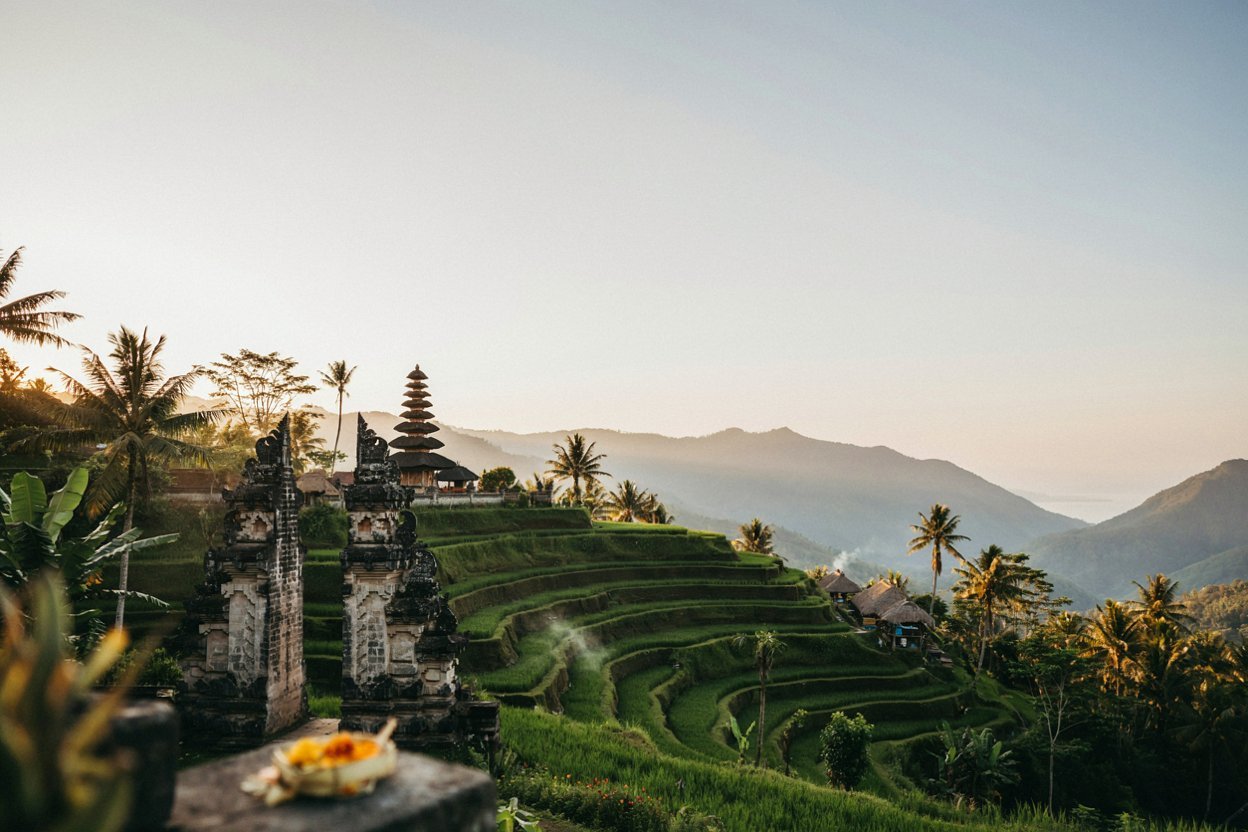
15 Dreamy Bali Destinations That Feel Like Paradise
The first time I landed in Bali, I remember sitting in the back of a taxi with the windows down, watching motorbikes weave past temple gates and roadside offerings, thinking I had no idea the island held this many different versions of itself.
I had pictured beach clubs and infinity pools, and Bali gave me that, but it also gave me misty rice terraces at six in the morning, a waterfall hike that left my shoes ruined for the rest of the trip, and a quiet fishing village where the only sound at night was water lapping against wooden boats. That contrast is what keeps pulling me back.
This guide is built from three separate trips to Bali, a lot of wrong turns on scooter roads that were narrower than they looked on the map, and more than a few nights spent asking guesthouse owners where they would actually send their own family to visit.
What follows is not a rushed list of fifteen pretty photo spots. Each destination below includes what it actually feels like to be there, what is genuinely worth doing, how to get there from the places most travelers land, where to stay depending on your budget, how long to give it, and the small practical details that would have saved me some frustration if someone had told me beforehand.
Before you dive in, here is a quick way to compare all fifteen at a glance.
Quick Comparison of All 15 Destinations
| Destination | Best For | Ideal Stay | Vibe |
|---|---|---|---|
| Ubud | Culture, food, rice terraces | 3 to 4 nights | Creative and slow paced |
| Tegallalang | Photography, short visits | Day trip | Scenic and touristy |
| Seminyak | Beach clubs, dining | 2 to 3 nights | Polished and social |
| Canggu | Surfing, cafes, nightlife | 3 to 5 nights | Laid back and youthful |
| Uluwatu | Cliffs, surf, sunset views | 2 to 3 nights | Dramatic and rugged |
| Nusa Penida | Viewpoints, adventure | 2 nights or day trip | Wild and remote |
| Nusa Lembongan | Snorkeling, calm pace | 2 to 3 nights | Relaxed island escape |
| Amed | Diving, quiet coastline | 2 to 4 nights | Sleepy fishing village |
| Tirta Gangga | Short cultural stop | Half day | Peaceful and ornate |
| Mount Batur | Sunrise trekking | 1 night | Active and rewarding |
| Jatiluwih | Rice terrace scenery | Half day to 1 night | Open and expansive |
| Sekumpul Waterfall | Waterfall hiking | Half day | Lush and adventurous |
| Lovina | Dolphins, calm beaches | 2 nights | Quiet and local |
| Munduk | Cool highlands, waterfalls | 2 to 3 nights | Green and refreshing |
| Padang Padang | Small beach, surf culture | Half day | Compact and scenic |
1. Ubud
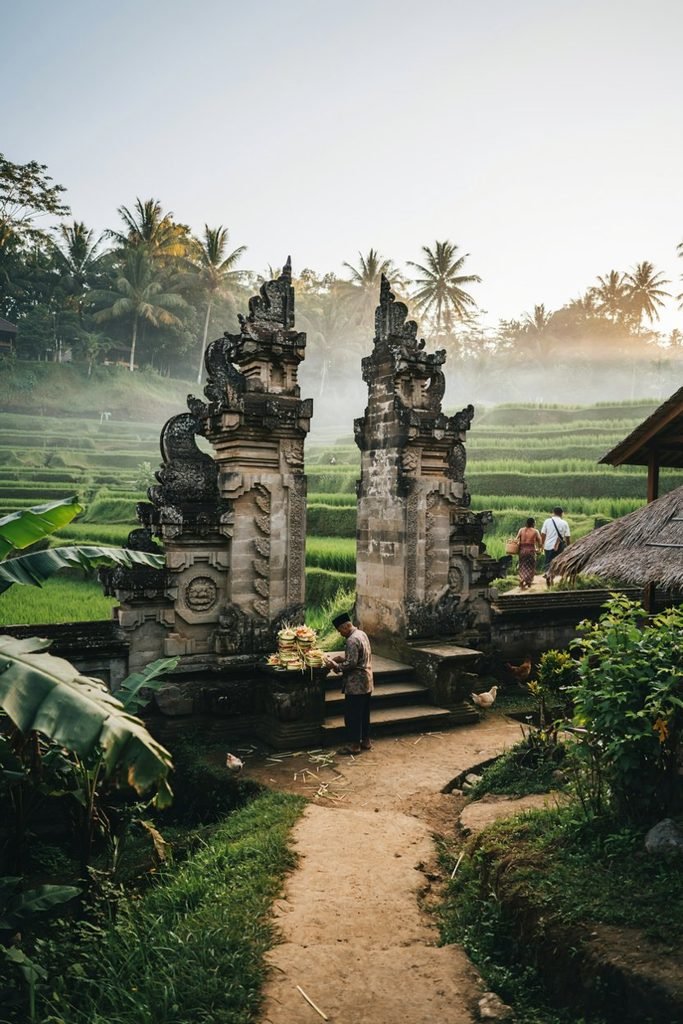
I based myself in Ubud for the first five nights of my very first Bali trip, mostly because every blog I read told me to, and I am glad I listened.
Ubud sits inland, wrapped in rice paddies and jungle, and it has become the cultural anchor of the island. Mornings here start with mist sitting low over the paddies outside your window, and by mid morning the streets fill with the smell of incense from the daily offerings placed outside every shop and home.
What surprised me most was how walkable it felt once I got past the main strip. I spent one entire afternoon just wandering side streets, ducking into art galleries and small temples I had never heard of, and it remains one of my favorite unplanned afternoons of that whole trip.
Why visit: Ubud gives you Bali’s cultural depth in one place, from traditional dance performances to art markets to a genuinely strong food scene, without needing a car to reach any of it.
Best things to do in Ubud
Wander the Ubud Art Market early before the heat and crowds set in. Take a traditional Balinese dance performance at the Ubud Palace in the evening. Visit the Sacred Monkey Forest Sanctuary, though hold onto anything you are not willing to lose to a curious monkey.
Spend a morning at a yoga studio, even if you have never done a single class before. Walk the Campuhan Ridge at sunrise for a quiet view over the valley before the day trip crowds arrive.
How to get to Ubud: From Ngurah Rai International Airport, expect roughly 1 to 1.5 hours by car depending on traffic, which in South Bali can be unpredictable at almost any hour. A private driver or pre booked airport transfer is the easiest option since ride hailing apps can face restrictions picking up directly from the airport.
Where to stay in Ubud: For budget travelers, look at guesthouses just outside the main center, which are often family run and include breakfast. For a mid range stay, boutique hotels with rice field views around the Tegallalang road area give you scenery without a huge price tag. For a splurge, a private pool villa tucked into the jungle just outside town is worth the extra cost at least once.
Ideal stay: 3 to 4 nights.
Best time to visit: The dry season from April through October keeps the rice terraces accessible and the walking paths less muddy, though Ubud’s inland location means it can feel warmer and more humid than the coast regardless of season.
Who it’s best for: Culture lovers, food travelers, couples wanting a slower pace, and anyone who wants a home base with easy day trips to the surrounding countryside.
What to know before you go: Traffic in central Ubud can be surprisingly heavy during the day, so walking is often faster than a car for short distances. Many restaurants close their kitchens earlier than you might expect, sometimes by 9pm.
Worth adding if you want at least a few days that feel unmistakably Balinese rather than resort focused. Skip or shorten it if beach time is your main priority, since Ubud has no coastline of its own.
2. Tegallalang Rice Terraces
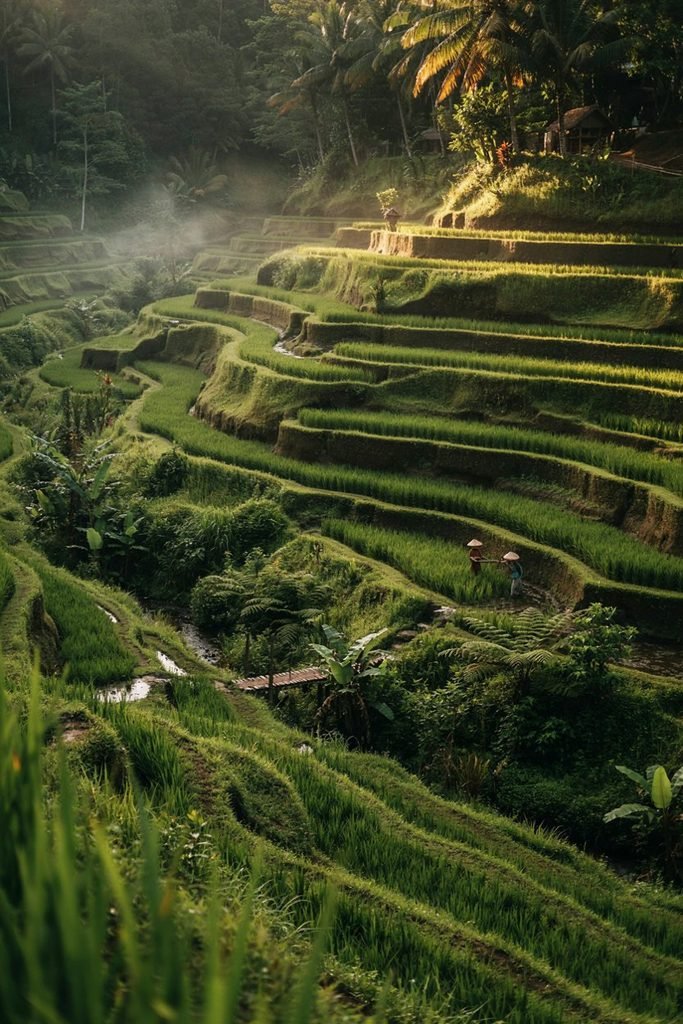
I will admit I almost skipped Tegallalang because every single photo I had seen looked identical, and I worried it would feel like standing in a crowd for a picture I had already seen a hundred times. I went anyway, arriving right around 7am on a driver’s recommendation, and I am glad I trusted it.
The terraces were nearly empty, the light was soft, and I ended up talking to a farmer clearing an irrigation channel who explained a bit about the subak system that has kept these terraces running for centuries. That conversation did more for me than the view itself.
Why visit: It is one of the most iconic rice terrace landscapes in Bali, and despite the crowds later in the day, an early visit still delivers a genuinely beautiful, quiet view.
Best things to do: Walk the terrace paths rather than just photographing from the entrance. Try the swing attractions if that appeals to you, though they come at an extra cost. Stop at one of the small warungs along the upper path for coffee grown nearby. Talk to a local farmer if you get the chance, since most are happy to explain the irrigation system.
How to get there: About 20 to 30 minutes north of central Ubud by car or scooter, making it an easy half day add on rather than a standalone destination.
Where to stay: Most travelers base themselves in Ubud and visit as a day trip rather than staying overnight here.
Ideal stay: A few hours, ideally in the early morning.
Best time to visit: Arrive before 8am to beat both the heat and the tour groups.
Who it’s best for: Photographers, first time visitors, and anyone staying in Ubud looking for an easy morning outing.
What to know before you go: Entrance fees and swing costs are usually separate and can add up if you want the full experience. Paths can be muddy and uneven, so proper shoes matter more than sandals here.
3. Seminyak
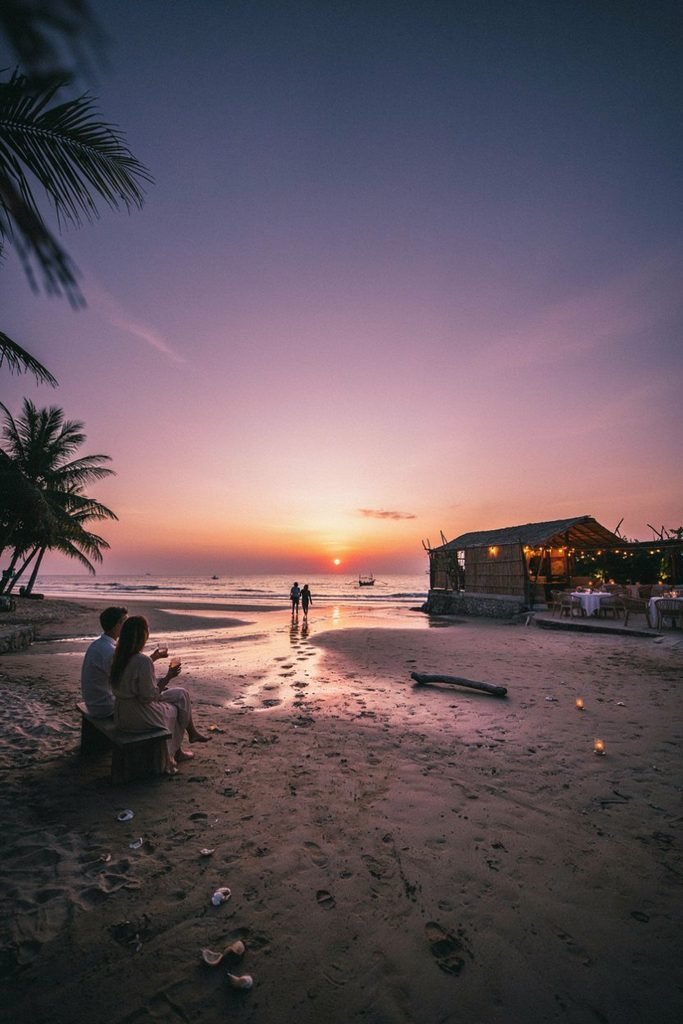
Seminyak is where I went after four days in Ubud when I was craving something a little more polished, and the contrast was immediate.
I remember sitting at a beach club right as the sun started dropping, ordering a drink I probably paid too much for, and not caring even slightly.
It felt like the version of Bali people picture before they ever book the flight, and after a stretch of rice terraces and temples, that shift in pace was exactly what I wanted.
Why visit: Seminyak delivers upscale beach clubs, strong shopping, and consistently good sunset views without feeling as chaotic as Kuta just to the south.
Best things to do: Watch sunset from a beach club along the main strip. Browse the boutique shops along Jalan Kayu Aya. Book a spa afternoon, since Seminyak has some of the best value spa options on the island. Try a beachfront dinner reservation at least once, even if it is a splurge.
How to get there: Around 30 to 40 minutes from the airport depending on traffic, making it one of the more convenient beach towns to reach on arrival.
Where to stay: Budget travelers can find guesthouses a short walk back from the beach. Mid range boutique hotels cluster around the shopping streets. For a splurge, beachfront resorts with direct beach access are worth it if sunset views from your room matter to you.
Ideal stay: 2 to 3 nights.
Best time to visit: Dry season evenings from April through October offer the clearest sunsets, though Seminyak is enjoyable nearly year round.
Who it’s best for: Travelers who want beach club culture, a strong dining scene, and an easy, walkable beach town.
What to know before you go: Beach club minimum spends can be higher than expected during peak season, and the beach itself has a stronger undertow than it looks, so casual swimmers should stay close to shore.
Worth adding if you want a taste of Bali’s more glamorous side. Skip or shorten it if nightlife and shopping are not high on your list, since that is really the draw here.
4. Canggu
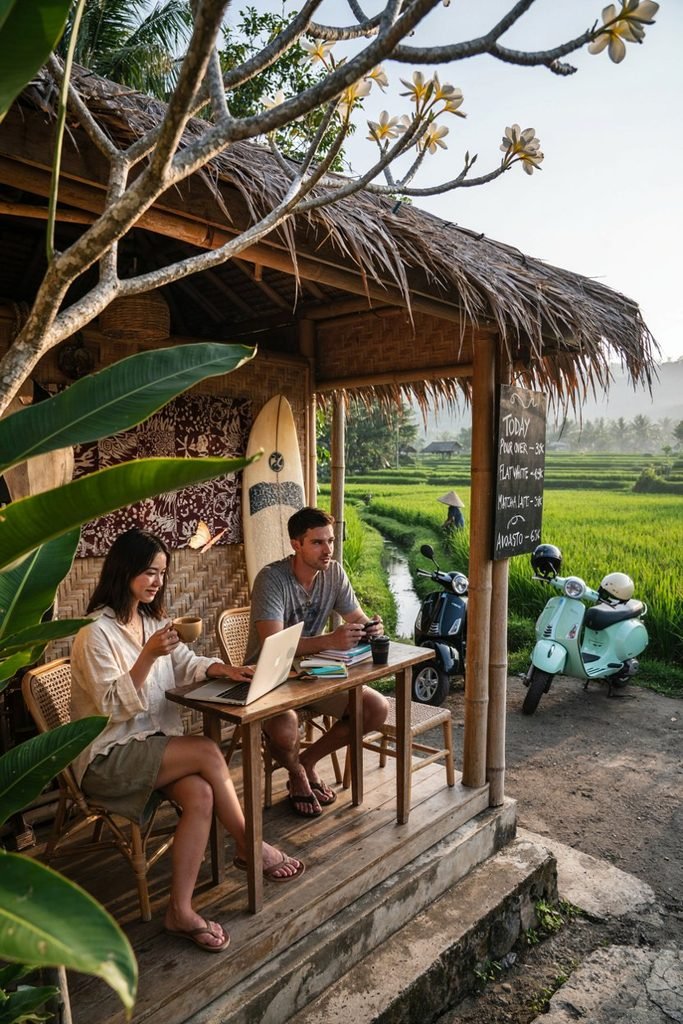
Canggu is the town where I ended up staying the longest out of any Bali trip, almost by accident. I had planned three nights and stayed eight.
The mornings there had a rhythm I liked, coffee at a cafe with a laptop crowd already working, a surf lesson that humbled me more than I expected, and evenings that stretched out slowly rather than rushing anywhere. It felt less like a vacation destination and more like a place people move to.
Why visit: Canggu blends black sand surf beaches, a strong cafe culture, and a young, international crowd, giving it a different energy than Bali’s more traditional beach towns.
Best things to do: Take a surf lesson at Batu Bolong Beach if you are new to it, since the breaks here are more beginner friendly than Uluwatu. Spend a morning cafe hopping, since Canggu’s coffee scene is genuinely excellent. Watch sunset at a beach bar along the coast. Rent a scooter and explore the rice fields just inland from the main strip.
How to get there: Roughly 45 minutes to 1 hour from the airport, depending on traffic through Denpasar.
Where to stay: Budget travelers will find hostels and guesthouses throughout the area. Mid range stays often come with a shared pool and a short walk to the beach. For a splurge, private villas with their own pool are common here and often surprisingly reasonable compared to similar options elsewhere.
Ideal stay: 3 to 5 nights.
Best time to visit: May through September tends to bring the most consistent surf conditions, though the cafe and lifestyle appeal holds up year round.
Who it’s best for: Surfers, remote workers, and younger travelers who want a social, laid back home base.
What to know before you go: Roads can flood quickly during rain, and the growth of the town means construction is common, so expect some noise in certain areas.
Worth adding if you want a beach town with a genuine local and expat community rather than a resort bubble. Skip or shorten it if you are looking for a quiet, traditional experience.
5. Uluwatu
I still think about standing at the edge of Uluwatu Temple watching the Kecak fire dance as the sky went orange and then dark, the ocean crashing against the cliffs a hundred meters below. It is one of those experiences that photos genuinely do not capture, mostly because of the sound, the chanting, the waves, and the wind all layered together.
Why visit: Uluwatu offers dramatic clifftop scenery, a genuinely moving cultural performance, and some of the most famous surf breaks in the world, all within a compact area.
Best things to do: Watch the Kecak fire dance at Uluwatu Temple around sunset. Surf or watch surfers at breaks like Padang Padang and Uluwatu itself. Explore the clifftop warungs perched along the coastline. Visit Suluban Beach through the cave entrance carved into the cliff.
How to get there: About 45 minutes to 1 hour from the airport, making it one of the more accessible clifftop areas on the island.
Where to stay: Budget guesthouses sit further from the cliffside but are easy to find. Mid range clifftop hotels offer ocean views without full resort pricing. A splurge stay at a clifftop resort with an infinity pool overlooking the ocean is genuinely worth it here if your budget allows.
Ideal stay: 2 to 3 nights.
Best time to visit: The dry season from May through September brings the best surf conditions and clearest sunset views.
Who it’s best for: Surfers, couples looking for a dramatic backdrop, and travelers who want strong cultural experiences alongside beach time.
What to know before you go: Many beaches here require climbing down steep stairs or paths carved into the cliffs, so this is not the easiest area for travelers with mobility concerns. Monkeys near the temple can be bold, so hold onto sunglasses and loose items.
Worth adding if dramatic scenery and strong surf culture matter to your trip. Skip or shorten it if you prefer easy, flat beach access.
6. Nusa Penida
Nusa Penida humbled me a little. I had seen the Kelingking Beach viewpoint photo so many times that I assumed the day would be easy, and instead I spent most of it bouncing along rough roads in the back of a rented jeep, sweating through my shirt, and still coming away thinking it was one of the best days of the entire trip. The viewpoints are genuinely as dramatic in person as they look online, which is rare.
Why visit: Nusa Penida delivers some of the most striking coastal scenery in the entire Bali region, with cliffs, hidden coves, and viewpoints that feel wild rather than manicured.
Best things to do: Visit the Kelingking Beach viewpoint, ideally early to avoid both heat and crowds. Explore Angel’s Billabong and Broken Beach, which sit close together. Snorkel or dive at Crystal Bay. Take the winding coastal road for viewpoints most day trippers skip.
How to get there: A fast boat from Sanur takes roughly 30 to 45 minutes, followed by arranged land transport on the island itself, since the roads are too rough and spread out for most visitors to navigate without a driver.
Where to stay: Budget guesthouses near Crystal Bay are simple but functional. Mid range cliffside hotels near Kelingking offer some of the best views on the island for the price. A splurge clifftop villa here can rival anywhere else in Bali for scenery.
Ideal stay: 2 nights if you want to see it properly, though many visitors do it as a long, tiring day trip.
Best time to visit: April through October for calmer boat crossings and clearer water.
Who it’s best for: Adventurous travelers, photographers, and anyone comfortable with rough roads and a bit of a workout to reach the best viewpoints.
What to know before you go: Boat crossings can be rough and are occasionally canceled due to weather, so build in flexibility if this is a day trip. Roads are genuinely rough, and a private driver is far less stressful than renting a scooter yourself.
Worth adding if you want the most dramatic scenery on this list. Skip or shorten it if you get seasick easily or have limited time, since it eats up a full day at minimum.
7. Nusa Lembongan
After the intensity of Nusa Penida, Nusa Lembongan felt like exhaling. It is smaller, calmer, and easier to get around, and I spent an entire afternoon just floating near a reef watching a manta ray glide beneath me, which is not something I expected to casually experience on a trip.
Why visit: Nusa Lembongan offers calmer surf, easier logistics than Nusa Penida, and some of the best snorkeling and diving conditions in the area, including regular manta ray encounters at nearby Manta Point.
Best things to do: Snorkel or dive at Manta Point. Explore the mangrove forest by boat. Relax at Dream Beach or Sandy Bay. Visit the Devil’s Tears viewpoint at sunset.
How to get there: A fast boat from Sanur takes around 30 minutes, making this one of the easier island day trips or short stays from mainland Bali.
Where to stay: Budget beachfront bungalows are common and simple. Mid range beachfront hotels offer more comfort without a huge price jump. A splurge oceanfront villa here tends to be more affordable than similar options on the mainland.
Ideal stay: 2 to 3 nights.
Best time to visit: April through October for the calmest water and best visibility for snorkeling and diving.
Who it’s best for: Snorkelers, divers, and travelers wanting an island escape without the roughness of Nusa Penida’s roads.
What to know before you go: The island is small enough to explore by scooter in a day, but roads can still be uneven in places. Manta Point conditions depend on tides, so check timing with a local operator.
Worth adding if you want island scenery with an easier pace than Nusa Penida. Skip or shorten it if you have already covered Nusa Penida and are short on time.
8. Amed
Amed is the place I recommend to people who tell me they are tired of crowded beach towns. I stayed four nights there almost by chance, after a change of plans, and ended up extending because the pace suited me so well. Mornings were quiet enough to hear fishing boats being pushed out to sea, and an afternoon snorkeling trip out to the Japanese shipwreck just offshore remains one of my favorite low key travel memories anywhere.
Why visit: Amed is a string of quiet fishing villages on Bali’s northeast coast, known for excellent diving and snorkeling rather than nightlife or beach clubs.
Best things to do: Snorkel or dive the Japanese shipwreck just offshore. Watch traditional outrigger fishing boats head out at sunrise. Take a sunrise trek up nearby Mount Agung for those wanting a quieter alternative to Mount Batur. Relax along the black sand coastline with far fewer crowds than the south.
How to get there: Roughly 2 to 2.5 hours from the airport, making it one of the farther destinations on this list, best paired with a stop in Ubud or a stay near Tirta Gangga along the way.
Where to stay: Budget guesthouses right along the coast are simple and often family run. Mid range beachfront hotels offer more comfort with strong value. A splurge oceanfront villa here costs noticeably less than similar options in South Bali.
Ideal stay: 2 to 4 nights.
Best time to visit: April through October for the calmest, clearest water for snorkeling and diving.
Who it’s best for: Divers, snorkelers, and travelers who want a slow, quiet stretch of their trip away from crowds.
What to know before you go: The drive out is long, so this destination is best combined with stops along the way rather than a rushed day trip. Restaurant options are more limited here than in South Bali, so do not expect a big dining scene.
Worth adding if you want at least one genuinely quiet stretch of your trip. Skip or shorten it if nightlife or variety in dining matters to you, since Amed is intentionally low key.
9. Tirta Gangga
I almost drove past Tirta Gangga on the way to Amed, thinking it would be a quick fifteen minute stop, and ended up staying closer to an hour and a half, wandering the stone paths between koi filled pools with rice terraces stretching out behind them. It is a small place, but it has a stillness to it that made me slow down more than I planned.
Why visit: Tirta Gangga is a former royal water palace built around ornate pools, fountains, and stone statues, surrounded by rice terrace scenery.
Best things to do: Walk the stepping stones across the main pool. Explore the surrounding gardens and statues. Combine it with a short rice terrace walk in the surrounding countryside.
How to get there: About 1.5 to 2 hours from the airport, and a natural stop on the way to or from Amed.
Where to stay: Most travelers visit as a stop rather than staying overnight, though a few guesthouses nearby offer rice terrace views if you want to slow down.
Ideal stay: Half a day.
Best time to visit: Any time during the dry season, though mornings tend to be quieter.
Who it’s best for: Travelers passing through eastern Bali who want a peaceful, photogenic stop.
What to know before you go: It is a shorter visit than most people expect, so plan it as part of a longer day rather than a standalone destination.
10. Mount Batur
The Mount Batur sunrise trek is the only thing on this list that genuinely tested me physically, and it remains one of the most rewarding mornings I have had while traveling anywhere. Starting the hike at 2am in the dark, following a headlamp beam up a volcanic trail, and then watching the sky slowly turn gold over the crater lake below made the lack of sleep completely worth it.
Why visit: Mount Batur offers one of the most popular and accessible sunrise treks in the region, rewarding an early, demanding hike with a genuinely stunning view.
Best things to do: Complete the sunrise trek with a local guide, which is required for this route. Enjoy the simple breakfast typically included at the summit, often cooked using the volcano’s natural heat. Photograph the crater lake and surrounding peaks once the sun is fully up.
How to get there: Around 1.5 to 2 hours from Ubud, and most tours arrange pickup directly from your accommodation in the middle of the night.
Where to stay: Most travelers base themselves in Ubud and treat this as an overnight excursion, though a few guesthouses near the base of the mountain allow you to start even earlier.
Ideal stay: One night if you want to minimize the very early wake up, otherwise a very long day trip from Ubud.
Best time to visit: April through October for the clearest sunrise views and driest trail conditions.
Who it’s best for: Active travelers comfortable with an early start and a genuinely demanding hike.
What to know before you go: The trail can be steep and loose underfoot, so proper shoes matter far more here than anywhere else on this list. It gets cold at the summit before sunrise, so bring a warm layer despite Bali’s tropical climate.
Worth adding if you want one active, memorable morning built into your trip. Skip or shorten it if early starts and physical exertion are not your idea of vacation.
11. Jatiluwih Rice Terraces
Compared to Tegallalang, Jatiluwih felt like a completely different experience despite both being rice terraces. The scale here is much larger, the crowds are thinner, and the drive in winds through the terraces themselves rather than just arriving at one viewpoint. I remember stopping the car twice just to get out and look, something I never felt compelled to do at Tegallalang.
Why visit: Jatiluwih is a UNESCO recognized rice terrace landscape, spread across a much larger area than Tegallalang, with fewer crowds and a genuinely scenic drive through the terraces themselves.
Best things to do: Drive or walk the terrace roads, stopping wherever the view calls for it. Try a short guided walking trail through the paddies. Stop at a warung along the route for a simple lunch with a view.
How to get there: About 1 to 1.5 hours from Ubud, making it a solid half day trip.
Where to stay: Most visitors day trip from Ubud rather than staying overnight, though a handful of quiet guesthouses in the area exist for those wanting to slow down further.
Ideal stay: Half a day, or an overnight if you want a genuinely quiet countryside stay.
Best time to visit: Dry season from April through October, when the terraces are lush and paths are easier to walk.
Who it’s best for: Travelers who want rice terrace scenery without the crowds of Tegallalang.
What to know before you go: There is far less tourist infrastructure here, so do not expect the cafes and swings found at more popular terraces. That is largely the appeal.
12. Sekumpul Waterfall
Sekumpul earned its reputation the hard way, and I mean that literally. The hike down was steeper and more slippery than I expected, and by the time I reached the base I had mud past my ankles and a scraped knee. Then I looked up at multiple waterfalls crashing down through the jungle canyon at once, and every bit of the discomfort stopped mattering.
Why visit: Widely considered the most impressive waterfall in Bali, Sekumpul features multiple cascades dropping through a lush jungle canyon, with a swimmable pool at the base.
Best things to do: Hike down to the base of the falls with a local guide, which is strongly recommended given how easy it is to lose the trail. Swim in the pool beneath the falls. Take your time on the way back up, since the climb out is more demanding than the descent.
How to get there: Around 2.5 to 3 hours from Ubud, making it a full day trip best combined with other northern Bali stops like Munduk.
Where to stay: Most travelers visit as a day trip rather than staying overnight nearby.
Ideal stay: Half a day, factoring in the hike and travel time.
Best time to visit: Dry season from April through October, since the trail becomes significantly more slippery and the falls more dangerous during heavy rain.
Who it’s best for: Travelers comfortable with a genuinely physical hike who want one of Bali’s most rewarding natural sights.
What to know before you go: A local guide is essentially necessary here, both for navigation and safety, and proper footwear matters more at Sekumpul than almost anywhere else on this list.
Worth adding if you want one serious hiking adventure built into your trip. Skip or shorten it if you have mobility concerns or limited time, since the trail is demanding and the drive is long.
13. Lovina
Lovina was the quietest stop on my entire trip, and after two weeks of moving fast, that quiet was exactly what I needed. I booked a dolphin watching boat trip on a whim, expecting a tourist gimmick, and instead found myself out on calm water before sunrise with barely another boat in sight, watching dolphins surface in the pink early light.
Why visit: On Bali’s north coast, Lovina offers calm black sand beaches, a slower local pace, and early morning boat trips to see wild dolphins in their natural habitat.
Best things to do: Take an early morning dolphin watching boat trip. Relax on the calm, uncrowded beach. Visit the nearby Banjar hot springs for an easy add on. Explore the quiet local markets in town.
How to get there: Around 2.5 to 3 hours from the airport or Ubud, making it a destination best paired with other northern stops like Munduk.
Where to stay: Budget beachfront guesthouses are common and inexpensive. Mid range hotels along the coast offer more comfort without high prices. A splurge here goes further than in South Bali, since Lovina remains far less developed.
Ideal stay: 2 nights.
Best time to visit: April through October for the calmest seas and best dolphin watching conditions.
Who it’s best for: Travelers wanting a slow, local feeling stretch of their trip, away from the busier southern beach towns.
What to know before you go: Dolphin sightings are common but never guaranteed, since these are wild animals in open water. The beach here is calmer than the south but less dramatic, with fewer amenities directly on the sand.
Worth adding if you want genuine quiet and a wildlife experience without crowds. Skip or shorten it if you are looking for lively beach towns or nightlife.
14. Munduk
Munduk was the first place in Bali that actually made me reach for a light jacket, and that shift in temperature alone made it feel like a different country. I spent an afternoon walking between waterfalls through coffee and clove plantations, and the cooler air made the hiking feel easier than almost anywhere else on this list.
Why visit: Set in Bali’s cool highland region, Munduk is surrounded by coffee and clove plantations, waterfalls, and mountain views that feel completely removed from the island’s beach towns.
Best things to do: Hike the trail connecting several waterfalls in the area. Visit a local coffee plantation and try Balinese coffee at the source. Take in the mountain views from Lake Tamblingan or Lake Buyan nearby. Walk through the village itself, which retains a strong traditional feel.
How to get there: About 2.5 hours from Ubud or the airport, making it a natural stop when heading toward Lovina or the north coast.
Where to stay: Budget guesthouses with garden views are common and affordable. Mid range hotels often include plantation or valley views. A splurge stay here typically means a boutique property with a fireplace, a rare feature in Bali given the highland chill.
Ideal stay: 2 to 3 nights.
Best time to visit: April through October for clearer trails and better waterfall access, though the cooler climate makes Munduk pleasant nearly year round.
Who it’s best for: Hikers, coffee lovers, and travelers wanting a cooler, quieter contrast to Bali’s beach towns.
What to know before you go: Evenings can be genuinely cool here compared to the rest of Bali, so pack at least one warm layer. Roads in the area are winding, so travel times can run longer than the distance suggests.
Worth adding if you want a genuinely different climate and pace built into your trip. Skip or shorten it if you are short on time and have already covered similar scenery at Jatiluwih or Sekumpul.
15. Padang Padang Beach
Padang Padang is small enough that I almost walked past the entrance the first time, tucked between rock formations with a narrow stone stairway leading down to the sand. It gained wider recognition after appearing in a well known film, but what struck me was how manageable it felt compared to Bali’s larger beaches, more like a hidden cove than a stretch of coastline.
Why visit: A small, dramatic beach near Uluwatu, reached by walking down a narrow stairway carved into the cliff, with clear water and a more intimate feel than Bali’s larger beaches.
Best things to do: Walk down early to claim a quiet spot before the crowds build. Watch surfers tackle the reef break just offshore. Combine it with a Uluwatu day trip, since the two are close together.
How to get there: About 45 minutes to 1 hour from the airport, and just a short drive from Uluwatu Temple.
Where to stay: Most travelers stay in nearby Uluwatu and visit Padang Padang as part of a day exploring the peninsula.
Ideal stay: A few hours.
Best time to visit: Early morning for the smallest crowds, or late afternoon for softer light.
Who it’s best for: Travelers already based in Uluwatu looking for a scenic, compact beach stop.
What to know before you go: The beach is small and can fill up quickly by midday, especially during peak season. The entrance stairway can get crowded, so patience helps during busier hours.
How to Choose the Right Bali Destination for Your Trip
With fifteen options, it helps to think in terms of what kind of trip you actually want rather than trying to force everything into one itinerary.
For rice terrace scenery: Tegallalang for convenience, Jatiluwih for scale and fewer crowds.
For beach clubs and nightlife: Seminyak and Canggu.
For surfing: Canggu for beginners, Uluwatu for experienced surfers.
For snorkeling and diving: Amed, Nusa Lembongan, and Nusa Penida.
For waterfalls and hiking: Sekumpul and Munduk.
For a slower, quieter pace: Amed, Lovina, and Munduk.
For culture and tradition: Ubud and Tirta Gangga.
For a physically active adventure: Mount Batur.
For dramatic clifftop scenery: Uluwatu and Padang Padang.
Suggested Bali Itineraries
7 Day Trip: Ubud, then South Bali covering Seminyak or Canggu and Uluwatu. This gives you a strong cultural base followed by beach and surf time without too much driving.
10 Day Trip: Ubud, Amed, then South Bali covering Uluwatu and Seminyak or Canggu. Adding Amed brings in a genuinely quiet, slower stretch between the busier stops.
14 Day Trip: Ubud, Munduk, Lovina, Amed, then South Bali covering Uluwatu, Padang Padang, and Canggu or Seminyak. This route circles the island, pairing the cooler north with the coastline before ending in the more social south.
The logic behind grouping these this way is simple. Bali’s roads are slower than distances suggest, so minimizing backtracking matters more than chasing every destination on this list. Building your route roughly in a loop, rather than zig zagging back and forth across the island, will save you hours of driving time you would rather spend at your destinations.
Transportation Tips for Getting Around Bali
A private driver for full or half days is the most practical option for most travelers, especially outside South Bali where roads become narrower and less predictable. Ride hailing apps work well within South Bali but can face pickup restrictions in some tourist areas, so it helps to know the local workaround, usually walking a short distance to a nearby side street. Renting a scooter gives you freedom but only makes sense if you are comfortable with Bali’s traffic patterns, which differ significantly from many other countries. For inter island trips to Nusa Penida or Nusa Lembongan, book fast boats in advance during peak season, since popular departure times can sell out.
Where to Stay in Bali If You Want to Avoid the Busiest Areas
If Seminyak and Kuta feel too crowded for your taste, Canggu still offers energy without quite the same density. If you want quiet without total isolation, Amed and Munduk both offer a genuinely local pace while still having enough infrastructure for a comfortable stay. For a coastal alternative to the south, Lovina delivers beach access with a fraction of the crowds.
Common Mistakes to Avoid in Bali
Trying to cover too many destinations in too short a trip is the most common mistake I see, and one I made myself on my first visit. Bali’s roads are simply slower than they look on a map, and cramming five destinations into seven days usually means spending more time in a car than actually experiencing any of them.
Underestimating travel times between regions is closely related. A drive that looks like forty minutes on a map can easily take an hour and a half during peak traffic or on narrower mountain roads.
Skipping travel insurance is another common misstep, particularly given how many activities on this list involve hiking, diving, or boat travel.
Not booking Nusa Penida or Nusa Lembongan boat tickets in advance during peak season can mean missing your preferred departure time entirely.
Assuming every beach in Bali has soft white sand is a mistake as well. Many of the island’s most memorable beaches, including several on this list, have black volcanic sand or rocky shorelines rather than the postcard white sand people often expect.
Frequently Asked Questions
How many days do I need in Bali to see the highlights?
Ten to fourteen days gives you enough time to cover a genuine mix of culture, beach, and nature without feeling rushed. A shorter trip of seven days still works well if you focus on two or three regions rather than trying to see everything on this list.
Is it better to stay in one place or move around Bali?
Moving between two or three bases tends to work best. Staying in a single location the entire trip usually means long day trips to everything else, while moving too often eats into your time with packing and travel.
Do I need a car and driver, or can I rent a scooter myself?
A private driver is the easier and safer choice for most travelers, especially those unfamiliar with Bali’s traffic patterns. Scooters offer more freedom but require real comfort with local road conditions.
Which Bali destinations are best for a first time visitor?
Ubud, Seminyak or Canggu, and Uluwatu together give a strong first impression of Bali’s range, from culture to beach town energy to dramatic coastline, without requiring the longer drives to the north or east.
Are the islands like Nusa Penida worth the extra effort to reach?
Yes, particularly for travelers who want dramatic, less developed scenery. The boat crossing and rough roads take some effort, but the viewpoints are genuinely different from anything on the Bali mainland.
What is the best time of year to visit Bali?
The dry season from April through October generally offers the most reliable weather for outdoor activities, hiking, and boat crossings, though Bali remains a year round destination overall.
Final Thoughts
Every time I think I have seen the version of Bali I came for, the island shows me something else entirely, a quiet fishing village, a waterfall that requires mud on your shoes to earn, a temple performance that stays with you longer than any beach club. The fifteen places above are the ones I keep coming back to, not because they are the only beautiful spots on the island, but because each one gave me something the others did not. If you are still mapping out where Bali fits into your broader travel plans, our guide to Europe bucket list destinations is worth a look if you are comparing regions before you commit, and our post on things you will be glad you packed on every trip is worth reading before you start packing for Bali specifically.