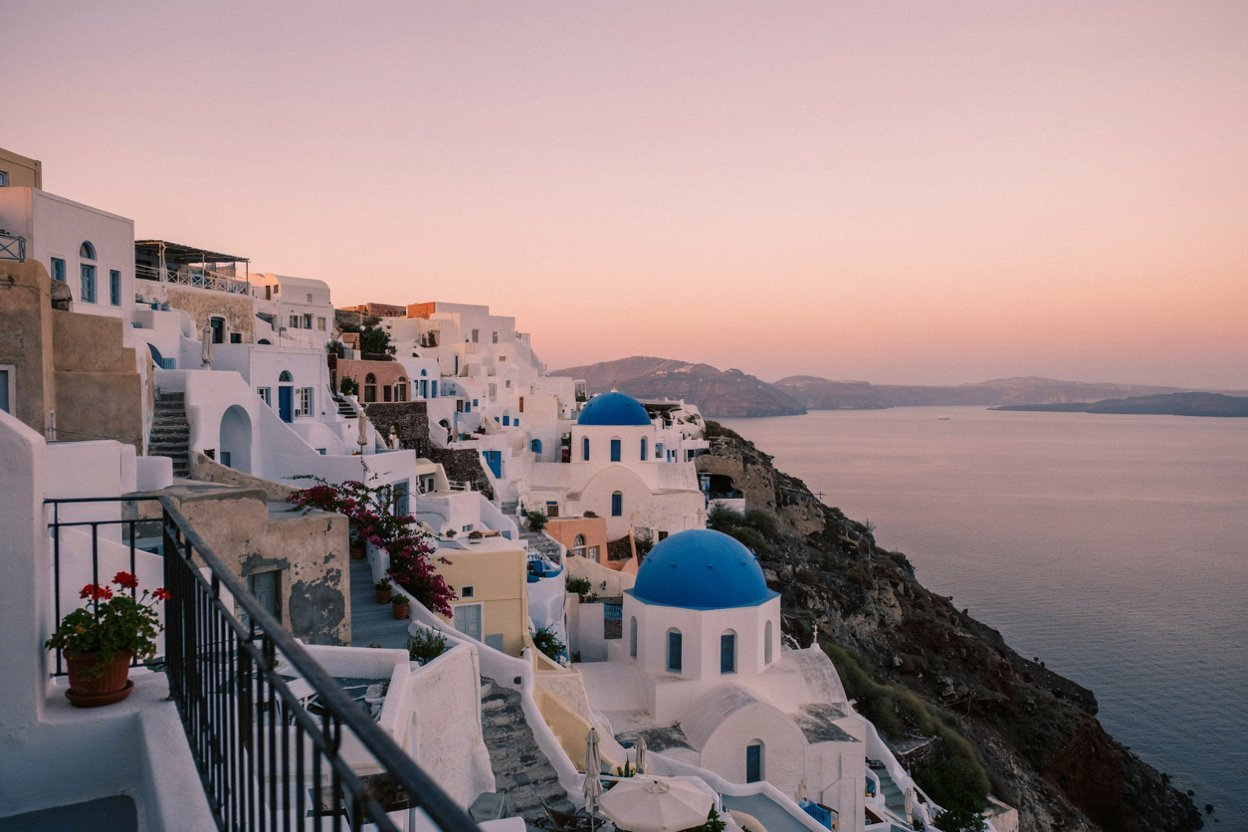
Europe Bucket List Destinations You Need to See
Europe has a way of making even seasoned travelers feel like they’ve barely scratched the surface. Just when you think you’ve seen the highlights, another region pulls you in with a landscape, a city, or a coastline that looks almost unreal in photos and somehow feels even better standing in front of it.
Between the sheer number of countries packed into a relatively compact continent, and how dramatically the culture, food, and scenery shift from one border to the next, building a genuine bucket list here is less about running out of options and more about accepting you’ll never see it all in one trip.
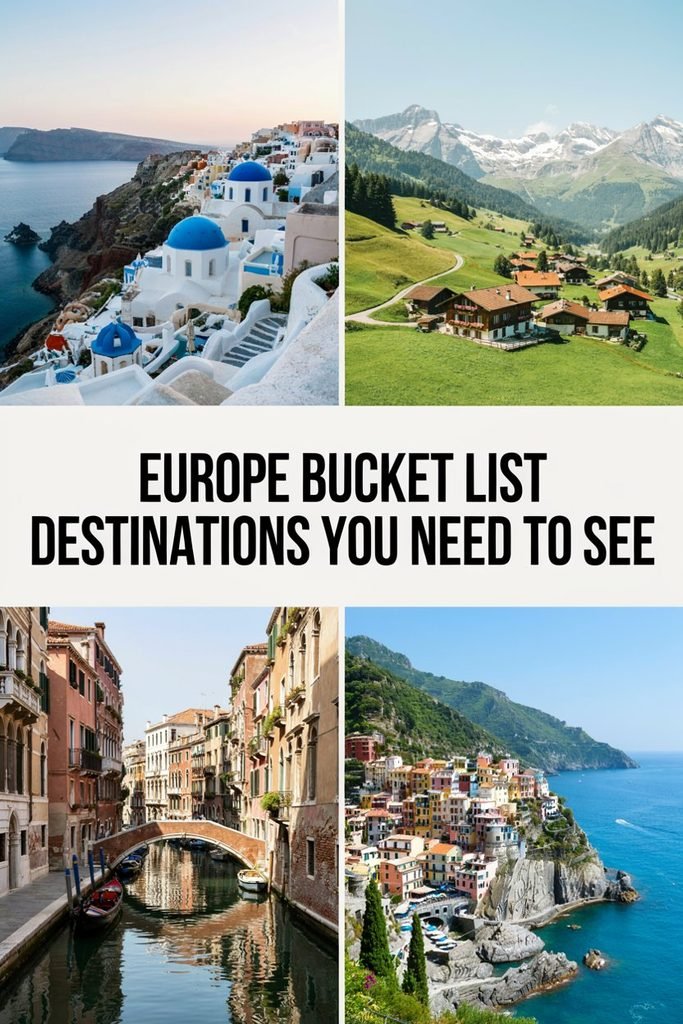
This guide pulls together twelve destinations that consistently earn their place on Europe bucket lists, along with the practical details that turn inspiration into an actual plan.
Some of these are famous enough that you already know their skyline from a screensaver. Others deserve far more attention than they typically get. Either way, this list leans toward the places that genuinely live up to the hype once you’re standing there in person.
Quick Guide to Europe’s Best Bucket List Destinations
| Destination | Country | Best For | Ideal Stay |
|---|---|---|---|
| Santorini | Greece | Sunsets, caldera views | 3 to 4 days |
| Amalfi Coast | Italy | Coastal scenery, villages | 3 to 5 days |
| Prague | Czech Republic | Architecture, old town | 2 to 4 days |
| Iceland | Iceland | Dramatic landscapes | 5 to 7 days |
| Swiss Alps | Switzerland | Mountains, hiking | 4 to 6 days |
| Amsterdam | Netherlands | Canals, culture | 2 to 4 days |
| Dubrovnik | Croatia | Coastal walls, Adriatic views | 2 to 3 days |
| Edinburgh | Scotland | History, atmosphere | 2 to 3 days |
| Lisbon | Portugal | Hills, food, coastline | 3 to 4 days |
| Budapest | Hungary | Thermal baths, architecture | 2 to 4 days |
| Norwegian Fjords | Norway | Dramatic natural scenery | 5 to 7 days |
| Venice | Italy | Canals, unique atmosphere | 2 to 3 days |
1. Santorini, Greece
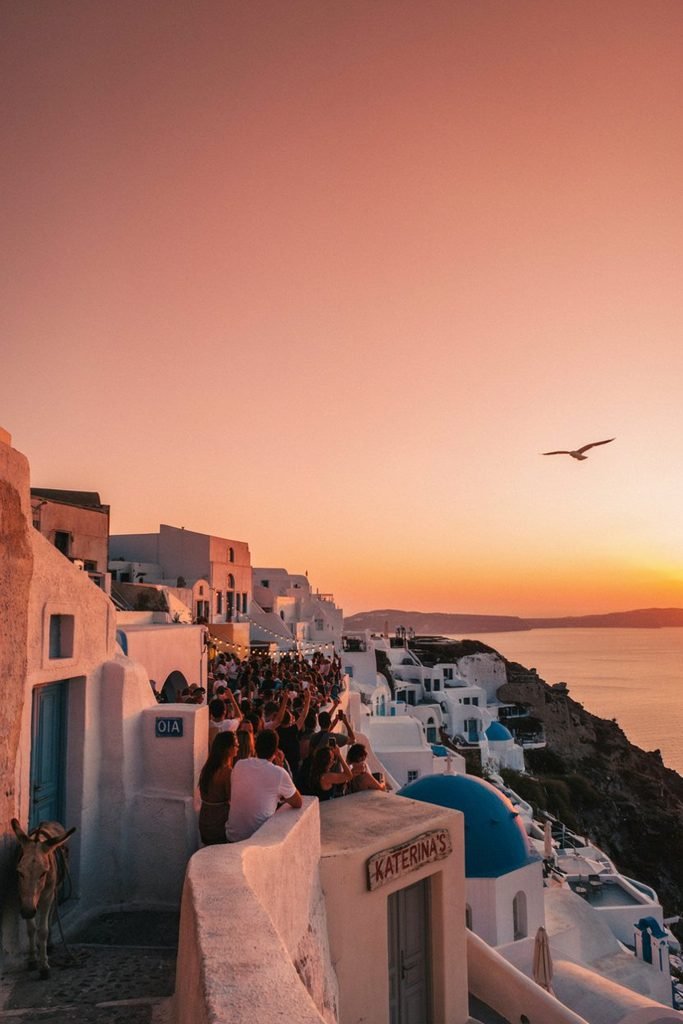
Why it’s on the list. Santorini’s white washed buildings tumbling down a volcanic caldera toward the deep blue Aegean Sea is one of the most photographed sights in the world, and it earns that reputation the moment you see it in person rather than on a screen.
Best things to do. Watch sunset from Oia, widely considered one of the best sunset views anywhere in Europe, walk the caldera rim path between Fira and Oia, and spend an afternoon on one of the island’s unusual black or red sand beaches.
Getting there. Santorini has its own airport with direct flights from Athens and several other European cities during peak season, or you can take a ferry from Athens’ port of Piraeus, roughly five to eight hours depending on the ferry type.
Where to stay. Oia offers the most iconic caldera views and sunset access but comes at a premium, while Fira puts you closer to the island’s main hub of restaurants and shops for a slightly more affordable base.
Getting around. A rental car or ATV gives you the most flexibility for exploring beyond the main towns, though local buses connect the major villages reasonably well if you’d rather skip driving.
Best time to visit. Late spring, May and June, or early fall, September, offers the same stunning views with noticeably smaller crowds and lower prices than the peak of summer.
Budget tips. Accommodation directly on the caldera rim carries a significant premium, so staying slightly inland and walking or driving to the viewpoints can meaningfully cut costs without sacrificing the experience.
2. Amalfi Coast, Italy
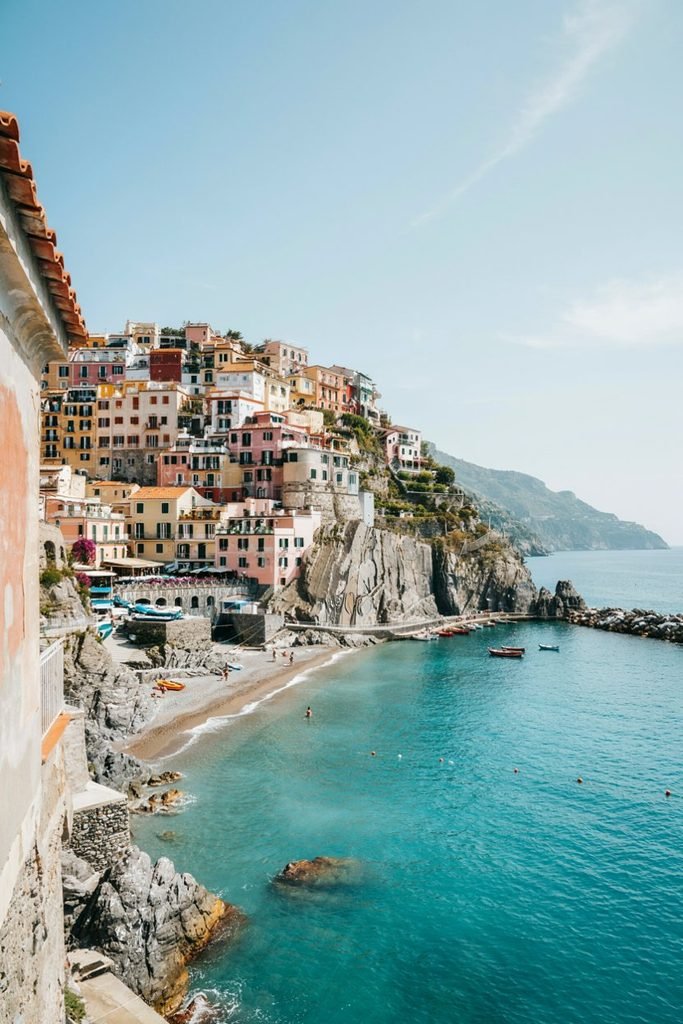
Why it’s on the list. Few coastlines anywhere combine dramatic cliffside villages, turquoise water, and genuinely excellent food quite like the stretch between Positano and Amalfi.
Best things to do. Wander Positano’s steep, colorful streets down to the beach, take a boat trip along the coastline for views you simply can’t get from land, and visit the town of Ravello for its gardens and sweeping coastal panoramas.
Getting there. Fly into Naples, then continue by ferry, bus, or a hired car along the coastal road, which is dramatic but narrow and winding, so plan extra travel time.
Where to stay. Positano offers the classic postcard views at a premium price, while Amalfi town or Minori provide similar coastal charm with easier ferry access and more reasonable rates.
Getting around. Ferries between coastal towns are often faster and less stressful than driving the famously congested coastal road, especially during peak summer months.
Best time to visit. May, June, and September offer warm weather with more manageable crowds than the intensity of July and August.
Budget tips. Staying in a town slightly less famous than Positano, such as Praiano or Minori, offers similar coastal beauty for a noticeably lower price.
3. Prague, Czech Republic
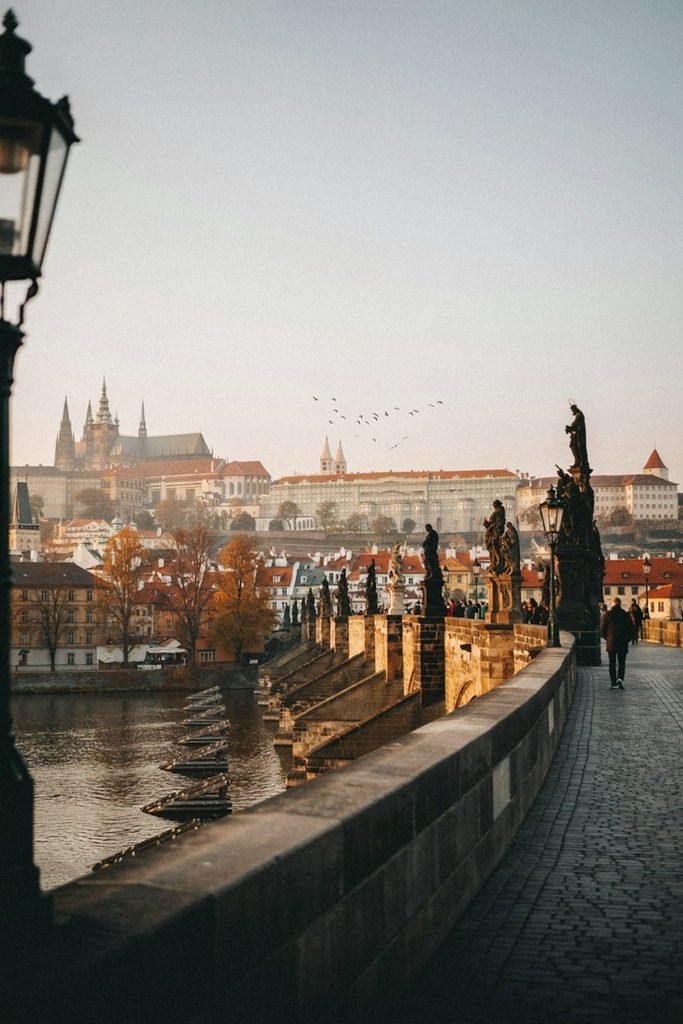
Why it’s on the list. Prague’s old town survived the twentieth century largely intact, leaving behind one of the most beautifully preserved historic centers in Europe, all set along the Vltava River.
Best things to do. Walk across the Charles Bridge at sunrise before the crowds arrive, explore Prague Castle, and wander the Old Town Square beneath its famous astronomical clock.
Getting there. Václav Havel Airport Prague connects to major cities across Europe, and the city is also easily reachable by train from Vienna, Berlin, or Budapest.
Where to stay. Staying within or near Old Town puts you within walking distance of the Charles Bridge and main sights, while Malá Strana offers a quieter, equally scenic alternative just across the river.
Getting around. The compact, walkable old town covers most major sights, with an efficient metro and tram system handling anything further out.
Best time to visit. Spring and fall offer comfortable temperatures and thinner crowds than the packed summer months.
Budget tips. Prague remains one of the more affordable major European capitals for both food and accommodation, making it a smart stop for stretching a broader trip budget.
4. Iceland
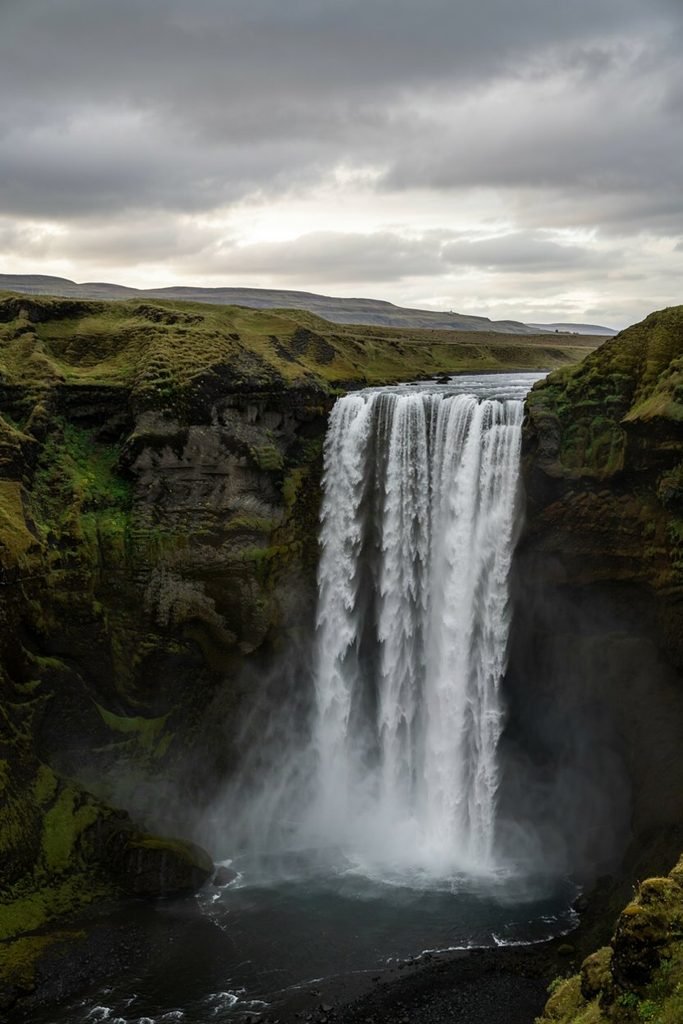
Why it’s on the list. Few places on earth pack this much dramatic, otherworldly scenery into one country, from waterfalls and glaciers to volcanic landscapes and, if timing allows, the northern lights.
Best things to do. Drive the Ring Road for a genuine tour of the country’s landscape variety, visit the geothermal Blue Lagoon, explore waterfalls like Seljalandsfoss and Skógafoss, and if visiting in winter, chase the aurora borealis away from city lights.
Getting there. Keflavík International Airport near Reykjavik has direct flights from major cities across Europe and North America.
Where to stay. Base yourself in Reykjavik for easy access to the Golden Circle and Blue Lagoon, then plan a rotating series of guesthouses along the Ring Road if you’re circling the full island.
Getting around. Renting a car is close to essential here, since Iceland’s best scenery sits well outside Reykjavik and public transportation to those areas is limited.
Best time to visit. Summer, June through August, offers nearly endless daylight and the most accessible road conditions, while winter brings the northern lights alongside shorter days and more demanding driving conditions.
Budget tips. Iceland runs expensive overall, so self catering some meals from a grocery store and choosing guesthouses over hotels can meaningfully reduce daily costs.
5. Swiss Alps, Switzerland
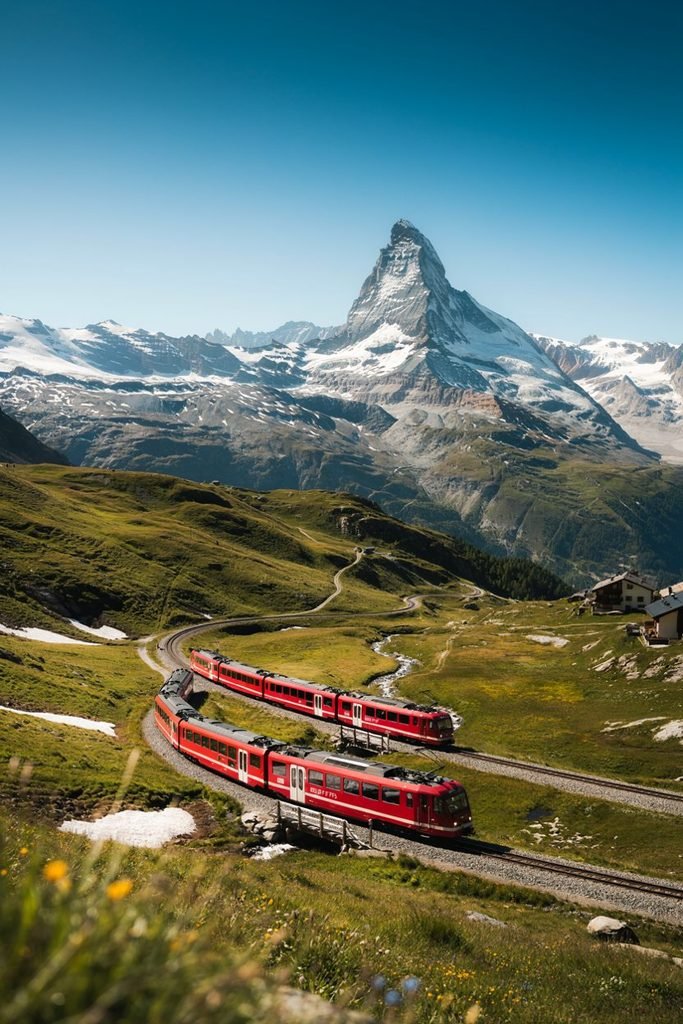
Why it’s on the list. The combination of dramatic peaks, pristine lakes, and an almost impossibly efficient train network makes the Swiss Alps one of the most rewarding mountain destinations in the world to actually visit without a car.
Best things to do. Ride a scenic train route through the mountains, hike around Zermatt with views of the Matterhorn, and take a boat trip on Lake Lucerne or Lake Geneva.
Getting there. Zurich and Geneva both have major international airports with excellent onward train connections into the mountains.
Where to stay. Zermatt puts you closest to the Matterhorn and its hiking trails, while Interlaken offers a more central base between Lake Thun and Lake Brienz for exploring the wider Bernese Oberland region.
Getting around. Switzerland’s train network is genuinely one of the best in the world, making a car largely unnecessary and often less convenient than the train for reaching mountain towns.
Best time to visit. Summer, June through September, is ideal for hiking, while winter, December through March, draws skiers to resorts throughout the region.
Budget tips. Switzerland is one of Europe’s most expensive countries, so a rail pass purchased in advance, along with self catering some meals, helps offset the overall cost.
6. Amsterdam, Netherlands
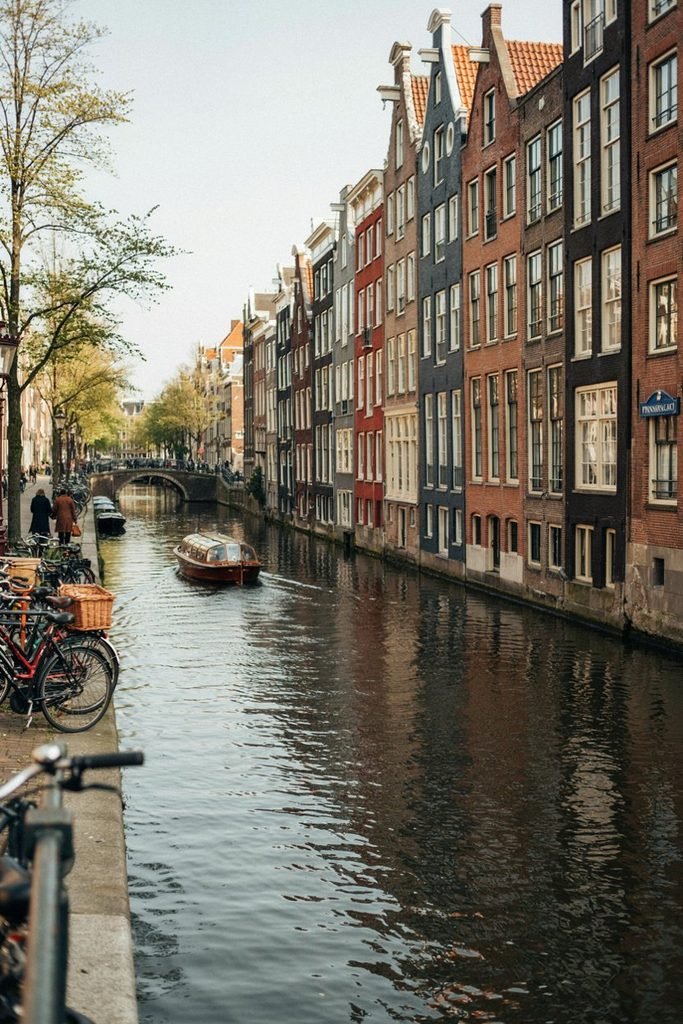
Why it’s on the list. Amsterdam’s canal ring, narrow gabled houses, and easy cycling culture create a genuinely different urban atmosphere than almost anywhere else on this list.
Best things to do. Take a canal boat tour, rent a bike and explore like a local, visit the Van Gogh Museum or the Anne Frank House, and wander the Jordaan neighborhood’s quiet, picturesque streets.
Getting there. Amsterdam Schiphol Airport is one of Europe’s major hubs, with direct connections from nearly everywhere.
Where to stay. The Jordaan neighborhood offers a quieter, picturesque base within easy walking distance of the canal ring, while staying near Amsterdam Centraal keeps you close to transit for day trips.
Getting around. Biking is genuinely the best way to get around, alongside an efficient tram network for longer distances or bad weather days.
Best time to visit. Spring, particularly April, brings the famous tulip season, while summer offers the longest days and liveliest atmosphere.
Budget tips. Renting a bike instead of relying on taxis or ride shares saves money while also being the more authentic way to experience the city.
7. Dubrovnik, Croatia
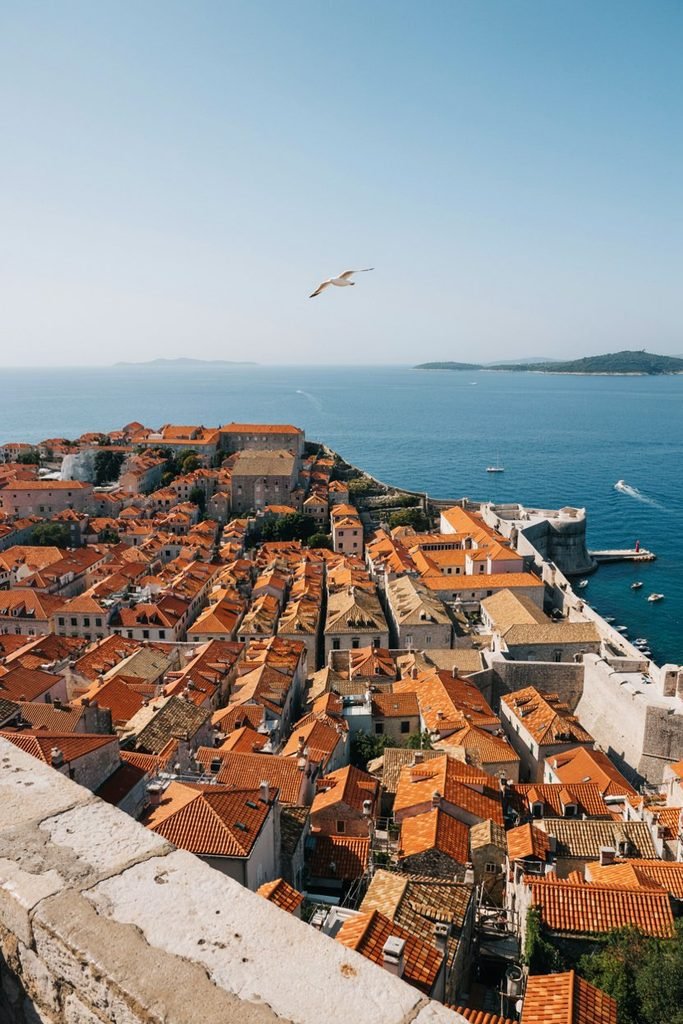
Why it’s on the list. Dubrovnik’s massive stone walls encircling a red roofed old town, set directly against the Adriatic Sea, create one of the most striking cityscapes in Europe.
Best things to do. Walk the full loop of the city walls for sweeping views over the old town and sea, take a cable car up Mount Srđ for an even higher vantage point, and swim at one of the beaches just outside the old town walls.
Getting there. Dubrovnik Airport has direct flights from major European cities, particularly during the busy summer season.
Where to stay. Staying within the old town walls puts you in the most atmospheric setting, though the nearby Ploče or Lapad neighborhoods offer better value and easier access if you’re also planning beach time.
Getting around. The old town is entirely walkable and largely closed to cars, with local buses covering the surrounding areas.
Best time to visit. Late spring and early fall offer warm weather with noticeably smaller crowds than the peak of summer, when cruise ship crowds can make the old town genuinely packed.
Budget tips. Staying just outside the old town walls, rather than directly within them, typically costs less while remaining an easy walk from everything.
8. Edinburgh, Scotland
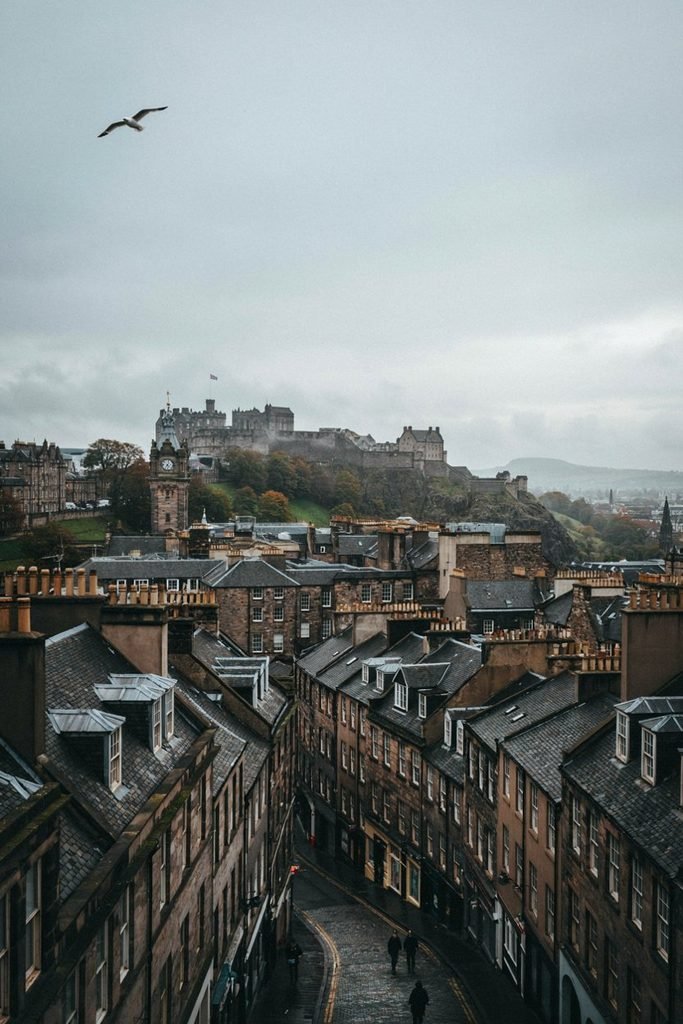
Why it’s on the list. Edinburgh’s dramatic castle perched above the city, combined with its atmospheric old town closes and elegant Georgian new town, gives it a genuinely distinct character among European capitals.
Best things to do. Explore Edinburgh Castle, walk the Royal Mile, hike up Arthur’s Seat for panoramic city views, and wander the atmospheric closes and courtyards tucked just off the main streets.
Getting there. Edinburgh Airport connects to major cities across Europe, and the city is also easily reached by train from London in about four and a half hours.
Where to stay. Old Town puts you closest to the castle and Royal Mile, while New Town offers a more polished, still central alternative with easy walking access to everything above.
Getting around. The city center is compact and walkable, with buses and trams covering areas further out.
Best time to visit. Late spring through early fall offers the most reliable weather, though August’s Fringe Festival transforms the city into one of the most exciting, if crowded, times to visit.
Budget tips. Many of Edinburgh’s best experiences, including Arthur’s Seat and wandering the old town, are free, keeping costs manageable outside of accommodation and dining.
9. Lisbon, Portugal
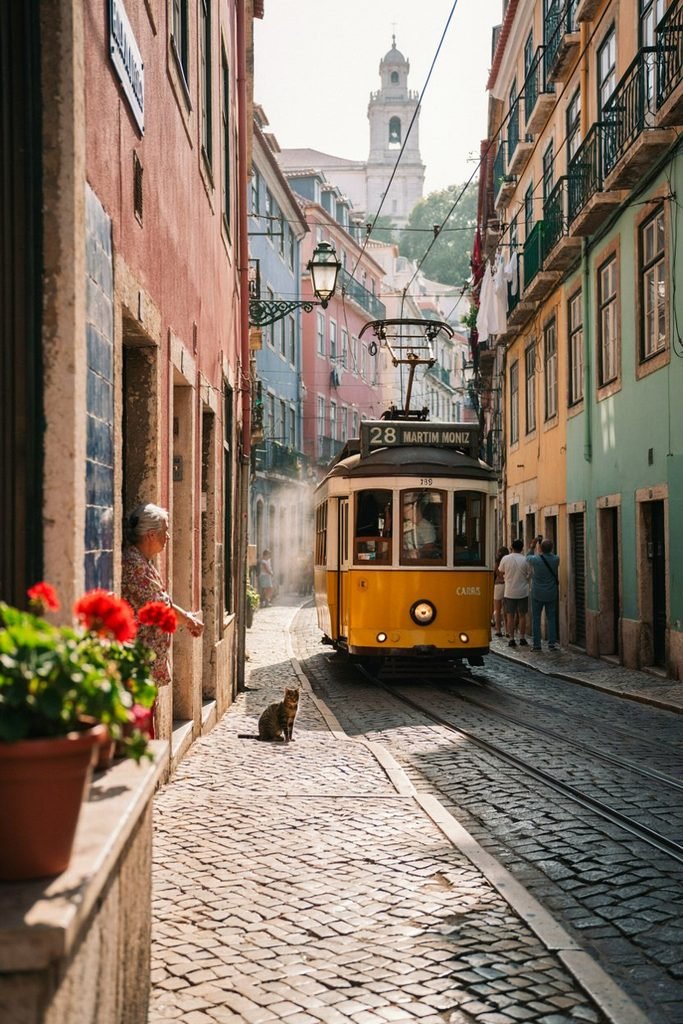
Why it’s on the list. Lisbon’s hilly streets, colorful tiled buildings, and relaxed coastal energy have made it one of Europe’s fastest growing bucket list cities in recent years, and it still feels less crowded than many of its Western European peers.
Best things to do. Ride the historic Tram 28 through the city’s hilliest neighborhoods, explore the Alfama district’s narrow streets, visit the Belém Tower and Jerónimos Monastery, and take a day trip to the coastal town of Sintra for its fairy tale palaces.
Getting there. Humberto Delgado Airport sits close to the city center, with direct flights from major hubs across Europe and beyond.
Where to stay. Alfama offers the most atmospheric, historic setting despite its steep streets, while Baixa provides a flatter, more central base within easy reach of the tram lines.
Getting around. The city’s trams and metro cover the hilly terrain well, though comfortable shoes matter enormously here given the steep streets.
Best time to visit. Spring and fall offer warm, comfortable weather without the peak crowds and heat of summer.
Budget tips. Lisbon remains one of the more affordable Western European capitals, particularly for food, making it a strong value stop on a broader European itinerary.
10. Budapest, Hungary
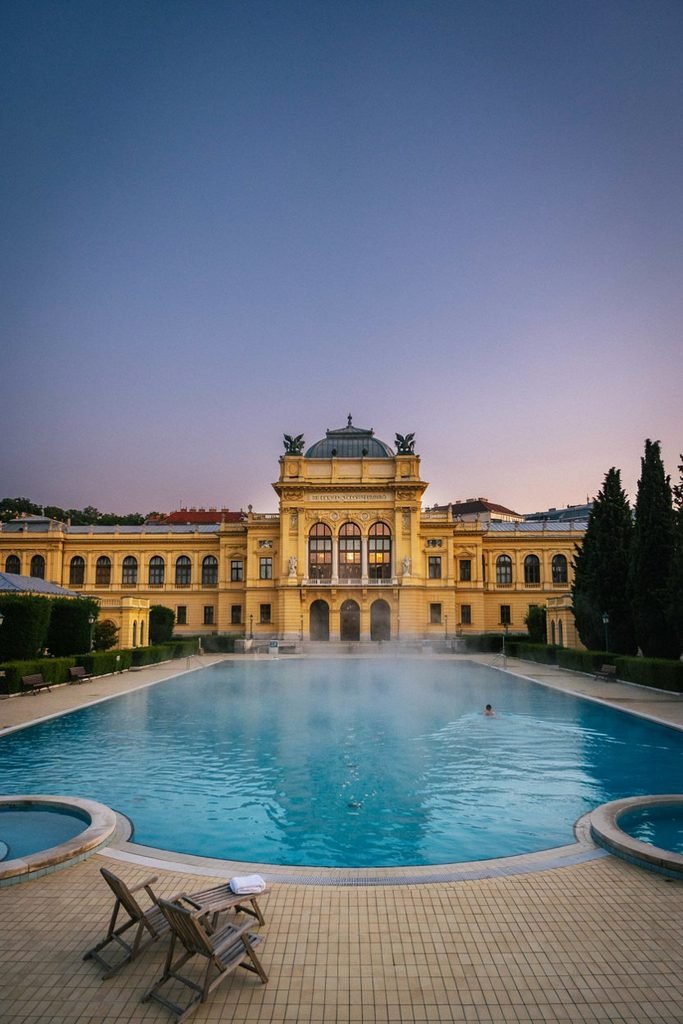
Why it’s on the list. Budapest’s split identity, Buda’s hilltop castle district on one side of the Danube and Pest’s grand boulevards on the other, gives it a genuinely varied character, all topped off by some of Europe’s most impressive thermal bath complexes.
Best things to do. Soak in the thermal waters at Széchenyi or Gellért Baths, explore Buda Castle and Fisherman’s Bastion, and take an evening river cruise or walk along the Danube to see the illuminated Parliament building.
Getting there. Budapest Ferenc Liszt International Airport connects to major European cities, and the city also has strong train connections to Vienna and Prague.
Where to stay. Pest offers the most walkable base close to the thermal baths and nightlife, while staying in Buda puts you nearer the castle district for quieter evenings with sweeping river views.
Getting around. Budapest’s metro, tram, and bus network covers the city efficiently, making a car unnecessary for most visits.
Best time to visit. Spring and fall offer comfortable sightseeing weather, while the thermal baths make Budapest a genuinely appealing winter destination as well.
Budget tips. Budapest is one of the more affordable major European capitals, and the thermal baths, while not free, remain reasonably priced compared to similar wellness experiences elsewhere in Europe.
11. Norwegian Fjords, Norway
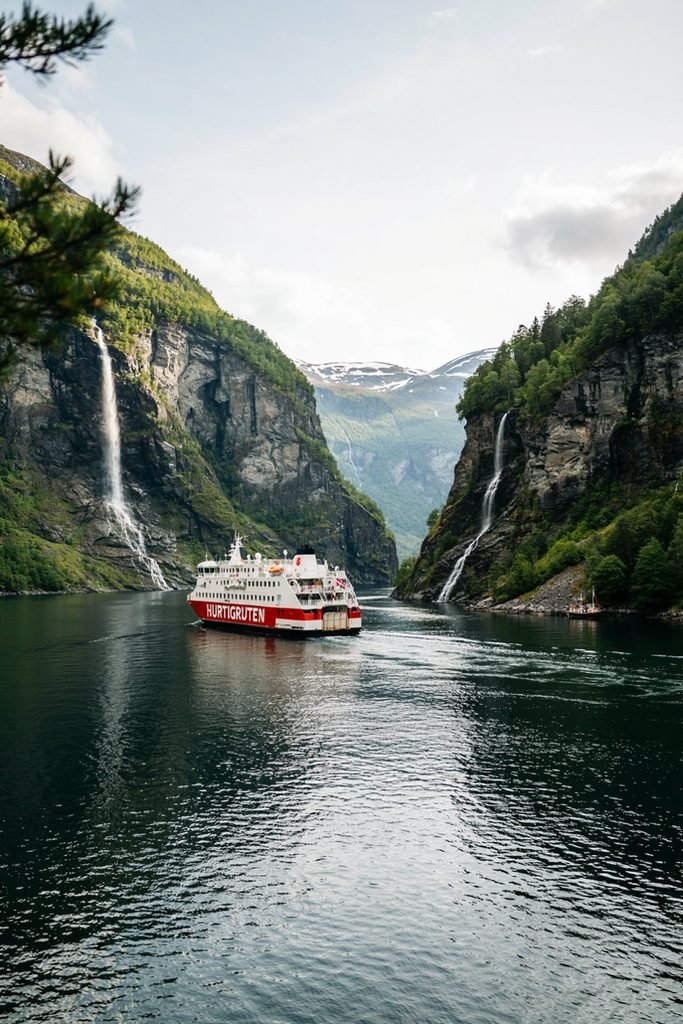
Why it’s on the list. The combination of towering cliffs, deep blue water, and waterfalls cascading directly into the sea makes the Norwegian fjords one of the most dramatic natural landscapes anywhere in Europe.
Best things to do. Cruise or ferry through the Geirangerfjord or Nærøyfjord, hike to a viewpoint like Trolltunga or Preikestolen for sweeping fjord views, and ride the Flåm Railway for one of the most scenic train routes in the world.
Getting there. Fly into Bergen or Oslo, both well connected to the fjord region by train, ferry, or a combination of both.
Where to stay. Bergen makes a colorful, practical base for starting a fjord itinerary, while smaller towns like Flåm or Geiranger put you directly in the heart of the most dramatic scenery for a night or two.
Getting around. A mix of train, ferry, and bus, often bundled together in scenic packages like the Norway in a Nutshell route, handles most fjord region travel without needing a car.
Best time to visit. Summer, June through August, offers the longest daylight hours and the most accessible hiking and ferry conditions.
Budget tips. Norway is genuinely expensive, so self catering meals, booking ferries and trains in advance, and choosing guesthouses over hotels all help manage the overall cost.
12. Venice, Italy
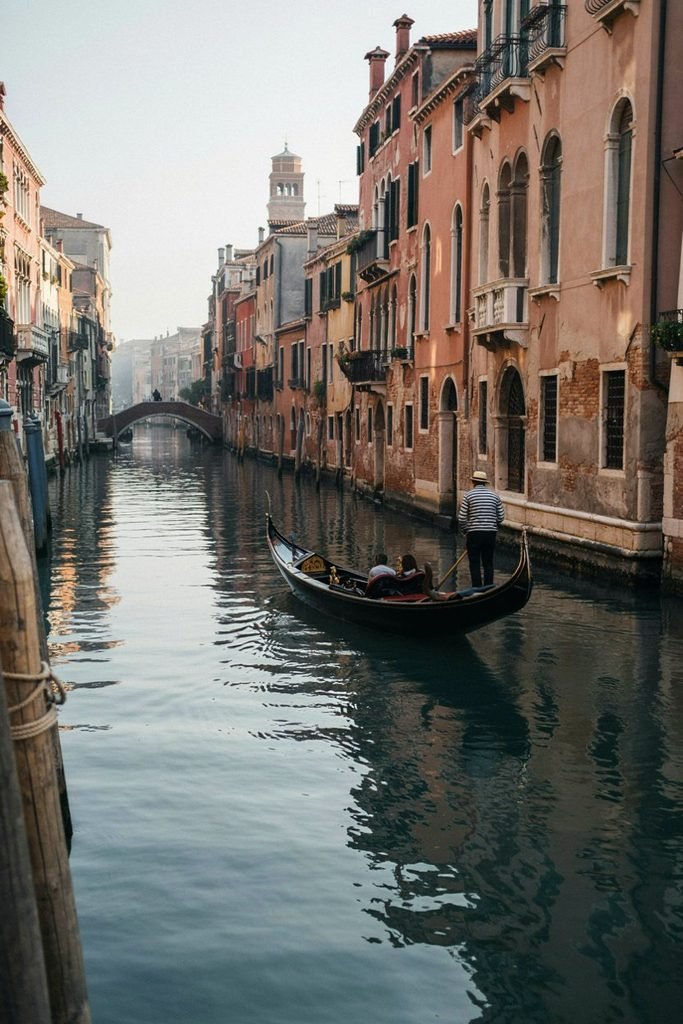
Why it’s on the list. There is genuinely nowhere else quite like Venice, a city built entirely on canals with no cars anywhere within its historic center, and the atmosphere that creates is unlike anywhere else on this list.
Best things to do. Ride a gondola or, for a more affordable alternative, the vaporetto water bus along the Grand Canal, visit St. Mark’s Square and Basilica, and get intentionally lost wandering the quieter back canals away from the main tourist routes.
Getting there. Venice Marco Polo Airport connects to major European cities, with a water taxi or bus transfer completing the journey into the historic center.
Where to stay. San Marco puts you closest to the main sights but at a steep price, while the quieter Dorsoduro or Cannaregio districts offer a more local feel and better value within easy walking distance of everything.
Getting around. Walking and vaporetto water buses cover the entire city, since there are no cars or bikes permitted within the historic center at all.
Best time to visit. Late spring and fall offer pleasant temperatures and noticeably fewer crowds than the packed summer months, when the city can feel genuinely overwhelmed by day trippers.
Budget tips. Skip the gondola if budget is tight, since a vaporetto pass covers the same scenic canal views for a fraction of the cost, and staying just outside the absolute historic center often costs meaningfully less.
Which Europe Bucket List Destination Is Right for You?
| If you want… | Go to… |
|---|---|
| Iconic sunset views | Santorini |
| Dramatic coastal villages | Amalfi Coast |
| Preserved historic architecture | Prague |
| Otherworldly natural landscapes | Iceland |
| Mountains and scenic trains | Swiss Alps |
| Canals and cycling culture | Amsterdam |
| Fortified coastal old towns | Dubrovnik |
| Atmospheric history and festivals | Edinburgh |
| Hilly streets and affordable charm | Lisbon |
| Thermal baths and grand architecture | Budapest |
| Fjords and dramatic scenery | Norwegian Fjords |
| A completely unique car free city | Venice |
How to Plan a Europe Bucket List Trip
Trying to combine too many of these destinations into a single trip is the fastest way to turn a bucket list adventure into an exhausting blur of airports and train stations.
It generally works better to pick a region, southern Europe with Santorini and the Amalfi Coast, central Europe with Prague and Budapest, or Nordic Europe with Iceland and the Norwegian Fjords, and go deeper into two or three destinations rather than skimming the surface of six.
Europe’s train network makes connecting nearby destinations within a region remarkably easy, often faster and more pleasant than flying once airport time is factored in, so it’s worth building an itinerary around train routes where they exist rather than defaulting to short haul flights for every leg.
Best Time to Visit Europe
Spring, April through June, and fall, September through October, consistently offer the best combination of comfortable weather and manageable crowds across nearly every destination on this list.
Summer, July and August, brings the warmest weather and longest days but also the biggest crowds and highest prices, particularly in coastal destinations like Santorini, the Amalfi Coast, and Dubrovnik.
Winter suits a smaller number of destinations specifically, including Budapest’s thermal baths and Iceland’s northern lights, while many of the more outdoor focused destinations, like the Swiss Alps and Norwegian Fjords, shift toward winter sports rather than the hiking and boating that define their summer appeal.
Final Thoughts
A genuine Europe bucket list isn’t really about checking off as many countries as possible. It’s about choosing the handful of places that pull at you enough to actually slow down and spend real time there, rather than a rushed afternoon squeezed between two other stops.
Whether that means watching the sun disappear behind Santorini’s caldera, hiking beneath a Swiss peak, or getting quietly lost in Venice’s back canals, the destinations on this list have earned their reputation because they genuinely deliver once you’re standing there in person.
Pick a region, give yourself more time than you think you need, and let the rest of the list wait for a future trip.

One Comment